If you have been putting off a needed roof replacement, you are probably imagining days of chaos, a crew camped out on your property, and your entire routine turned upside down. The good news is that reality is far less dramatic. Understanding how long does it take to replace a roof in Cincinnati, OH can help you plan ahead, set realistic expectations, and finally make the call you have been delaying.
For most homeowners, a standard roof installation in Cincinnati is completed in a single day. Of course, several factors can stretch or compress that window, including roof complexity, the number of existing shingle layers, and Cincinnati’s sometimes unpredictable seasonal weather. This guide breaks down each variable so you know exactly what to expect from start to finish.
The Basic Timeline: What “One Day” Actually Means
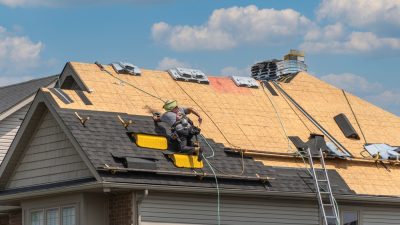
When roofing contractors say a job takes one day, they mean a full working day of roughly eight to ten hours for a typical single-story home with a straightforward roofline. That includes tearing off the old shingles, inspecting and repairing the decking, installing underlayment, laying new shingles, and cleaning up the yard.
Here is a general breakdown by roof type:
Standard Single-Layer Asphalt Tear-Off (1,500 to 2,500 sq ft) Most residential roofs in the Cincinnati area fall into this category. A crew of four to six workers can typically complete the full replacement in six to ten hours. Homeowners wake up with an old roof and go to bed with a new one.
Multi-Layer Tear-Off (Two or More Shingle Layers) Ohio building code generally limits roofs to two layers of asphalt shingles. When a second layer is already present, it must be torn off entirely before new shingles go down. This adds two to four hours of labor and disposal time, which can push a one-day job into a day and a half or require a small crew return the following morning.
Complex Rooflines: Dormers, Steep Pitch, and Multiple Valleys Homes with dormers, steep pitches above 8:12, multiple intersecting valleys, or skylights require additional precision and safety measures. These jobs routinely take two to three days. Steep pitches slow installation speed because workers must use specialized equipment and take extra precautions. Dormers add flashing work and transition points that demand careful attention to waterproofing details.
Large Homes Over 3,000 Square Feet Square footage alone can extend a job. Very large roofs may require two full days regardless of complexity simply because of the volume of material involved.
According to the National Roofing Contractors Association, proper installation timelines should never be rushed to meet an artificial deadline. Cutting corners on critical steps like underlayment installation or flashing sealing can lead to leaks within the first few years.
How Cincinnati Weather Windows Shape Your Scheduling
Cincinnati sits in a climate zone that experiences genuine four-season weather, and that has a direct impact on when roofing work gets scheduled and how often delays occur.
Spring (April through May) is one of the most popular windows for roof replacements. Temperatures are moderate, typically between 50 and 75 degrees Fahrenheit, which is ideal for asphalt shingles to seal properly. The drawback is that spring in Cincinnati also brings rain. A heavy rain day shuts down exterior roofing work entirely, and contractors often build one to two buffer days into spring project timelines. Homeowners who schedule in early April should expect their project date to shift if storms roll through.
Summer (June through August) offers longer days and more dry weather, but extreme heat can be a concern. Asphalt shingles become pliable in temperatures above 90 degrees, which requires crews to adjust how they handle and cut materials. Most experienced local crews are accustomed to summer heat and plan around it.
Fall (September through October) is widely considered the best season for roof replacement in the Cincinnati region. Temperatures cool down, rain is less frequent than spring, and shingles seal well in mild conditions. This is also the period before the holiday rush, so scheduling tends to be more flexible. Many roofing companies book up fast in September, so fall replacements benefit from early scheduling.
Winter (November through March) is possible but comes with limitations. Shingle manufacturers typically recommend installation temperatures above 40 degrees Fahrenheit. Below that threshold, adhesive strips may not seal properly without supplemental methods. Emergency replacements happen year-round, but elective replacements are generally best deferred if temperatures are forecast to drop below freezing during or shortly after installation.
The National Weather Service forecast office in Wilmington, Ohio, which covers the Cincinnati metro area, publishes seven-day outlooks that reputable contractors monitor closely when planning installation days.
What to Expect on Installation Day
Knowing what the day looks like in practice removes much of the anxiety around scheduling a replacement. Here is a realistic hour-by-hour picture.
Early Morning: Crew Arrival and Setup Most crews arrive between 7:00 and 8:00 a.m. They will park a dump trailer or roll-off dumpster in the driveway or at the curb to collect debris. Homeowners should move vehicles from the driveway the evening before and ensure access to the side or back of the home if needed. Plywood sheeting is typically placed around the perimeter of the house to catch falling nails and shingle debris, protecting landscaping where possible.
Morning: Tear-Off The tear-off phase is the loudest part of the day. Workers use roofing shovels and scrappers to remove old shingles, sending them down into the dumpster below. The noise level is significant, comparable to moderate construction work. If you work from home, plan to use noise-canceling headphones or take calls from a quieter part of the house. Pets are best kept indoors and away from exterior doors during this phase.
Midday: Decking Inspection and Repair Once the old roofing material is removed, the decking is inspected for soft spots, rot, or damaged sheathing. Reputable contractors document any damage found and discuss repairs with the homeowner before proceeding. Deck repairs are normal and should not be treated as upselling. Replacing a few sheets of damaged plywood is far less expensive than dealing with a structural issue years later.
Afternoon: Underlayment, Shingles, and Flashing This is the bulk of the installation work. Synthetic underlayment goes down first as a secondary moisture barrier, followed by drip edge, ice and water shield in vulnerable areas, and then the shingles themselves. Flashing is installed or replaced around chimneys, vents, and valleys. This phase is quieter than the tear-off but still involves nail guns and foot traffic on the roof.
Late Afternoon: Cleanup A thorough cleanup is part of the job. Crews use magnetic rollers across the yard and driveway to collect stray nails, a step that protects children, pets, and vehicle tires. Debris is loaded out, and the property is typically restored to normal appearance before the crew leaves.
After the Job: Final Walkthrough Before the crew departs, a supervisor should conduct a final walkthrough with the homeowner to review workmanship, confirm all flashing points are sealed, and address any questions. Reputable contractors also register manufacturer warranties at this stage, which typically requires documentation of proper installation.
For homeowners who want a local reference to find the service area and confirm coverage, the Cincinnati roofing service location can be used to verify proximity and service availability.
Factors That Can Extend the Timeline
Even with a smooth plan, some variables are outside anyone’s control.
Material delays are an occasional issue, particularly for specialty shingles or when demand peaks during hail season. Ordering materials in advance reduces this risk. Weather delays, as discussed above, are the most common reason a one-day job extends into two. Unexpected decking damage discovered mid-job can also add a partial day if the damage is extensive. Finally, permitting requirements vary by municipality. Some Cincinnati-area jurisdictions require a permit for full tear-off replacements, and permit approval timelines can affect scheduling by a few days.
Wrapping Up: Planning Makes the Process Smoother
A roof replacement in Cincinnati is a significant investment, but it is not the week-long ordeal many homeowners imagine. Standard asphalt jobs on single-story homes finish in a day. Complex rooflines or multi-layer tear-offs may take two to three days. Scheduling in fall gives you the best weather odds, while spring scheduling requires a buffer for rain delays.
The most important thing a homeowner can do is plan ahead: clear the driveway, keep pets indoors, and set aside a day when noise and limited driveway access are manageable. With those simple preparations, the process is far less disruptive than most people expect.
Frequently Asked Questions
1. How long does it take to replace a roof on an average Cincinnati home? Most standard residential roofs between 1,500 and 2,500 square feet with a single layer of asphalt shingles are completed in one full working day, typically six to ten hours depending on crew size and roof complexity.
2. Can a roof be replaced in cold weather in Cincinnati? Yes, but with precautions. Asphalt shingle manufacturers generally recommend installation temperatures above 40 degrees Fahrenheit. Below that threshold, special handling techniques are required to ensure the adhesive strips seal properly. Emergency replacements can be done year-round, but planned replacements are best scheduled outside of freezing conditions.
3. What happens if it rains on my installation day? Active rain halts roofing work entirely to protect exposed decking and ensure proper shingle adhesion. Contractors typically reschedule to the next available dry day. If the tear-off has already begun, the crew will cover the exposed deck with tarps to protect your home until work can resume.
4. Will I need to leave my home during the replacement? No. You can remain home during the installation. The primary inconveniences are noise during tear-off, limited driveway access, and the general activity around the exterior of the house. Most homeowners find the disruption manageable for a single day.
5. How do I know if my roof needs a full replacement versus a repair? A full replacement is typically recommended when a roof is nearing or past its expected lifespan (usually 20 to 30 years for asphalt shingles), when damage is widespread rather than isolated, or when the existing shingle layer count is already at the maximum allowed by local code. A licensed roofing inspector can assess your specific situation. The Insurance Institute for Business and Home Safety also offers helpful consumer guidance on evaluating roof condition.