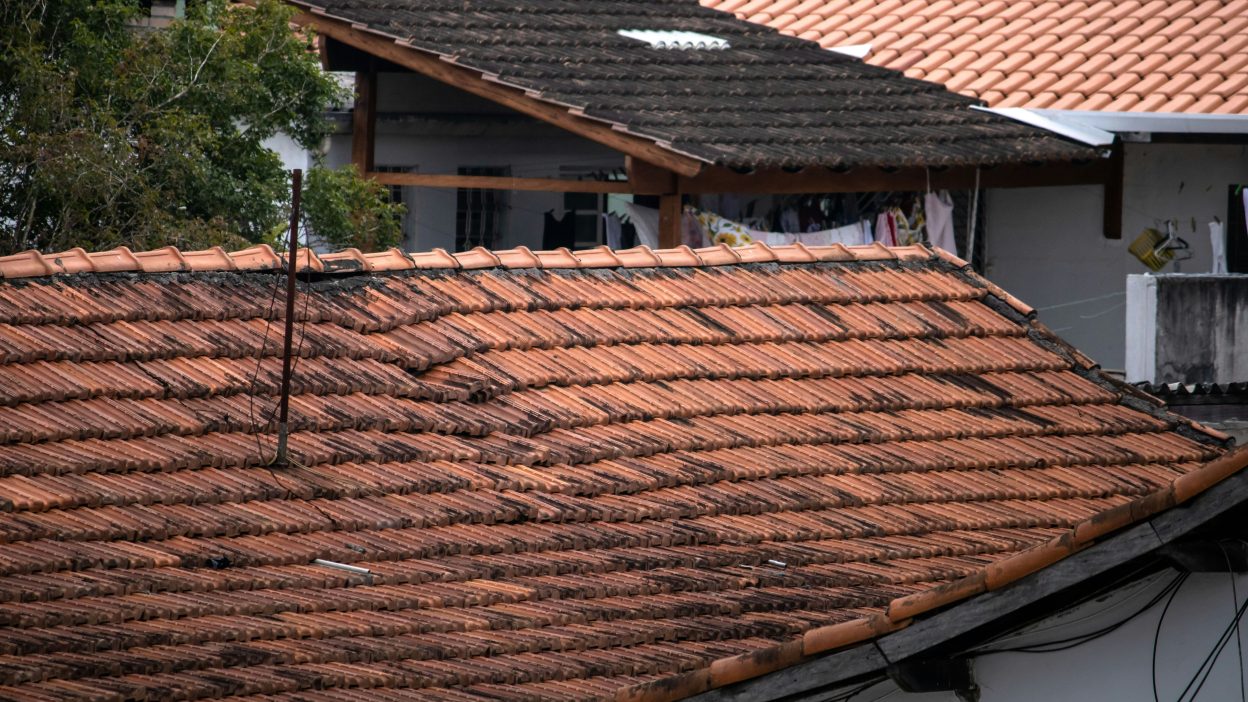
If you own a home in the Buckeye State, you have probably wondered how long does a roof last in Ohio, especially after a rough winter or a severe storm rolls through. Ohio’s climate is uniquely challenging for roofing systems. The state experiences heavy snowfall, ice dams, intense summer heat, and dramatic freeze-thaw cycles that can shorten the life of even well-installed roofing materials. Understanding material lifespans is the single most important factor in deciding whether to patch your existing roof or invest in a full roof replacement.
This guide breaks down average lifespans by material, outlines the warning signs that tell you replacement is overdue, and explains how proactive maintenance can add years to your roof’s useful life.
Ohio’s Climate and Why It Matters for Your Roof
Ohio sits in a region that the National Roofing Contractors Association (NRCA) classifies as a climate zone with significant thermal stress. Temperatures regularly swing from below zero in January to the upper 90s in July. That range causes roofing materials to expand and contract repeatedly, loosening fasteners, cracking sealants, and accelerating the breakdown of surface granules on asphalt shingles.
Freeze-thaw cycles are particularly damaging. When moisture works its way under shingles or into small cracks and then freezes, it expands and forces materials apart. Over several seasons, this process creates pathways for water infiltration that lead to deck rot, mold, and interior damage. The Ohio Building Code and most manufacturer warranties account for this reality, but no material is immune to it entirely.
Roof Lifespan by Material in Ohio
Asphalt Shingles: 20 to 30 Years
Asphalt shingles are the most common roofing material in Ohio and across the United States. They are cost-effective, widely available, and easy to install. Under normal Ohio conditions, a standard three-tab asphalt shingle roof lasts approximately 20 years. Architectural or dimensional shingles, which are thicker and more durable, can stretch that lifespan to 25 to 30 years.
However, Ohio’s climate takes a toll. Ice damming along roof eaves is a common problem in central and northern Ohio, particularly in cities like Columbus, Cleveland, and Toledo. When heat escapes through the attic, it melts snow that then refreezes at the colder eave line, creating a dam that forces water back under shingles. The Insurance Institute for Business and Home Safety (IBHS) notes that proper attic insulation and ventilation are among the most effective ways to prevent ice dams and extend shingle life.
Premium impact-resistant shingles rated Class 4 by UL standards can offer better longevity and may qualify for insurance discounts. If your asphalt roof is approaching the 20-year mark, annual inspections become especially important.
Metal Roofing: 40 to 70 Years
Metal roofing has grown in popularity across Ohio for good reason. Steel, aluminum, and standing seam metal panels are highly resistant to Ohio’s freeze-thaw cycles. Metal does not absorb moisture, it sheds snow efficiently, and it reflects solar heat, which can reduce summer cooling costs by up to 25 percent according to the Metal Roofing Alliance.
A properly installed standing seam metal roof in Ohio can last 40 to 70 years. Exposed-fastener metal panels on the lower end of that range require occasional re-fastening and sealant maintenance, while concealed-fastener systems need minimal upkeep over their lifespan.
The upfront cost of metal roofing is considerably higher than asphalt, typically two to three times more per square foot. For homeowners planning to stay in their homes long term, however, the math often favors metal when accounting for the reduced need for replacement and lower maintenance costs over decades.
Flat Roof Membranes: 15 to 30 Years
Flat and low-slope roofs are common on commercial buildings, additions, and older homes throughout Ohio. The three primary membrane systems used are TPO (thermoplastic polyolefin), EPDM (ethylene propylene diene monomer), and modified bitumen.
EPDM is one of the most widely used flat roofing materials in Ohio. It is a synthetic rubber membrane that handles temperature extremes well and typically lasts 20 to 25 years with proper maintenance. TPO membranes, which are white and highly reflective, have become popular for their energy efficiency and weldable seams; they generally last 15 to 20 years. Modified bitumen systems, applied in layers with reinforcing fabric, offer a lifespan of 20 to 30 years depending on the number of plies and application method.
Flat roofs require more diligent maintenance than sloped roofs because standing water accelerates membrane degradation. Regular clearing of drains and annual inspections by a qualified contractor are essential in Ohio’s wet climate.
5 Warning Signs Your Roof Is Past Its Useful Life
Knowing when to replace rather than repair can save thousands of dollars in avoidable interior damage. Watch for these five indicators:
1. Sagging or Structural Deformation Visible sagging in the roof deck or rafters signals serious structural compromise. This often points to long-term moisture infiltration that has rotted the underlying wood. Sagging is rarely a patchable problem and almost always requires full replacement.
2. Granule Loss on Asphalt Shingles Asphalt shingles shed granules as they age. If you notice heavy granule accumulation in your gutters or bare patches on shingles, the protective UV layer is gone. Granule loss accelerates deterioration and leaves the asphalt exposed to the elements.
3. Daylight Visible Through the Decking If you can see daylight in your attic from the roof deck, gaps or holes exist that are allowing moisture and pests inside. This level of failure indicates the roof is well past the point of minor repair.
4. Recurring Leaks Despite Repairs A single leak that is patched and holds is a maintenance issue. Leaks that return season after season, or appear in multiple locations, indicate the roofing system has failed systemically. Repeated patching on an aging roof delays the inevitable and can cause hidden water damage that inflates replacement costs.
5. Curling or Cupped Shingles Shingles that curl upward at the edges (cupping) or buckle in the center (clawing) are at the end of their useful life. This deformation is caused by moisture imbalance between shingle layers and is a reliable indicator that the roof is nearing replacement age. According to the U.S. Department of Energy’s roofing guidance, curling shingles also reduce the roof’s ability to shed water effectively, increasing the risk of leaks.
How Maintenance and Inspections Extend Roof Life
A well-maintained roof in Ohio can outlast its rated lifespan by several years. The following practices make a measurable difference:
Annual Professional Inspections: A qualified roofing contractor can identify small issues like cracked flashing, loose fasteners, or minor membrane punctures before they become major failures. Most roofing professionals recommend inspections every spring and fall in Ohio due to the severity of seasonal transitions.
Prompt Storm Damage Repairs: Ohio experiences hail, high winds, and ice storms regularly. Filing a storm damage claim and making repairs quickly prevents secondary water damage from compounding repair costs. Even minor hail impacts can compromise granule adhesion and shorten shingle life by three to five years if left unaddressed.
Gutter Maintenance: Clogged gutters cause water to back up under fascia and eaves, creating the conditions for rot and ice dam formation. Keeping gutters clear is one of the lowest-cost, highest-impact maintenance tasks for Ohio homeowners.
Attic Ventilation and Insulation: As noted earlier, proper attic airflow reduces ice dam formation and prevents heat buildup that degrades roofing materials from the inside out. The American Society of Home Inspectors (ASHI) recommends that homeowners have attic insulation and ventilation reviewed whenever a roof inspection is performed.
Tree Trimming: Overhanging branches drop debris, retain moisture against the roof surface, and can cause physical damage during wind events. Keeping branches trimmed back at least six feet from the roofline is a simple preventive measure.
Wrapping Up: Make the Right Call for Your Ohio Roof
Understanding material lifespans, recognizing failure signs, and committing to a maintenance routine are the three pillars of informed roof ownership in Ohio. Asphalt shingles offer an affordable 20 to 30-year lifespan with proper care. Metal roofing delivers exceptional longevity of 40 to 70 years for homeowners willing to invest upfront. Flat roof membranes provide 15 to 30 years of reliable service when professionally maintained.
If your roof is approaching or has exceeded its expected lifespan, or if you are seeing any of the warning signs described above, the smart move is to schedule a professional inspection rather than wait for a leak to force your hand. Early action protects your home’s structure, preserves your interior finishes, and gives you the time to plan a replacement on your schedule rather than in response to an emergency.
For Ohio homeowners looking for local expertise, you can also find qualified roofing professionals near you to assist with inspections, repairs, and full replacements.
Frequently Asked Questions
Q: How long does a roof last in Ohio on average? A: The average roof lifespan in Ohio depends on the material. Asphalt shingles last 20 to 30 years, metal roofing lasts 40 to 70 years, and flat membrane systems last 15 to 30 years. Ohio’s freeze-thaw climate can shorten these ranges if maintenance is neglected.
Q: Does Ohio’s weather significantly shorten roof life compared to other states? A: Yes. Ohio’s combination of heavy snowfall, ice dam-forming winters, humid summers, and wide temperature swings creates higher thermal stress than many other regions. Homeowners in northern Ohio near Lake Erie often experience more ice damming than those in southern parts of the state.
Q: How do I know if my roof needs replacement rather than repair? A: Key indicators include sagging decking, widespread granule loss, recurring leaks in multiple locations, curling or cupped shingles, and any visible daylight through the attic ceiling. If your roof is older than 20 years and showing multiple symptoms, replacement is usually more cost-effective than continued patching.
Q: Can a metal roof be installed over existing asphalt shingles in Ohio? A: In many cases, yes. A roofing contractor can install metal panels over existing shingles if the decking is structurally sound and local building codes permit it. This approach can save on tear-off costs, though it is important to ensure the underlying structure is inspected first.
Q: How often should Ohio homeowners schedule roof inspections? A: Most roofing professionals recommend at least one inspection per year, ideally in the spring to assess damage from winter and before the summer storm season. After any significant hail event or windstorm, a prompt inspection is advised regardless of when the last scheduled inspection occurred.
Q: Does homeowners insurance cover roof replacement in Ohio? A: Homeowners insurance typically covers sudden, storm-related damage such as hail or wind damage. It generally does not cover damage caused by neglect or normal wear and tear. Policies vary, so it is important to review your specific coverage and consult your insurer after any storm event.