
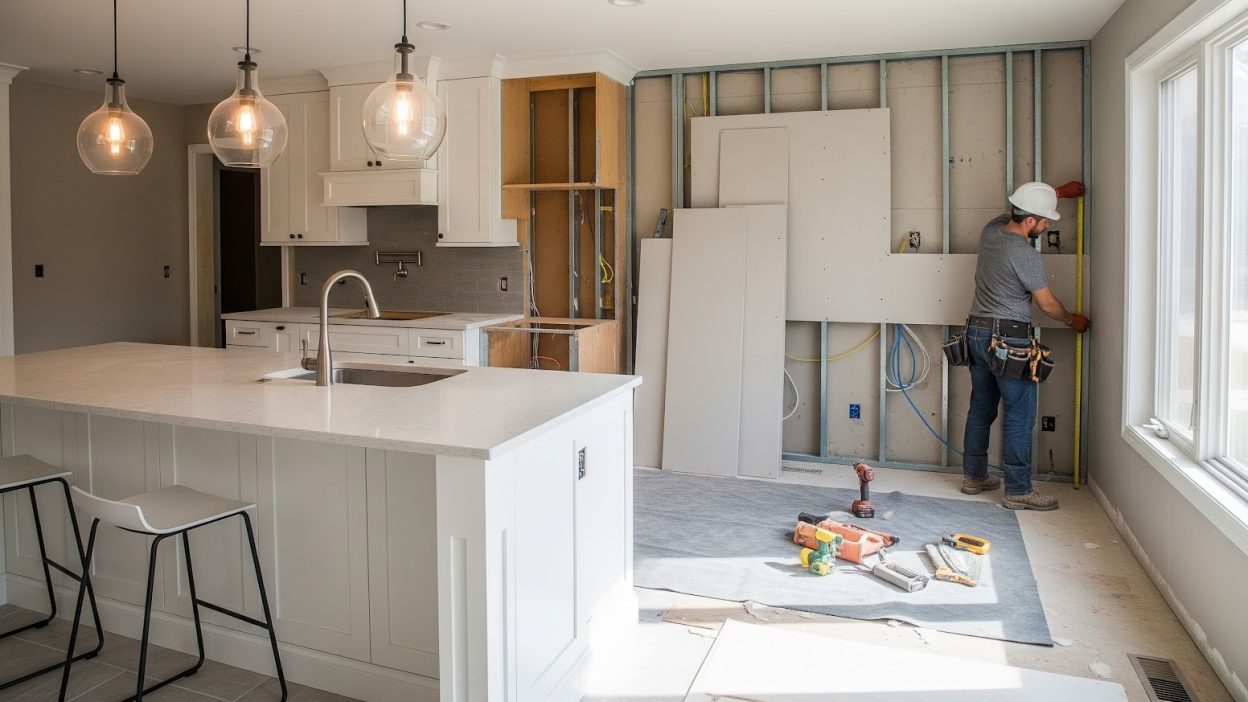
Thinking about gutting your kitchen? Before you pull a single cabinet or swing a demo hammer, there is one critical step most homeowners skip: a thorough plumbing assessment. A complete kitchen remodel plumbing checklist in Columbus, OH is not just a nice-to-have — it is the difference between a renovation that stays on budget and one that spirals into costly surprises. Skipping the plumbing evaluation before demo day is widely recognized as the single most expensive mistake homeowners make during a kitchen renovation. A pre-remodel checklist saves time, money, and permit headaches.
This guide walks through every plumbing consideration you should review before the first sledgehammer swings.
Why Plumbing Comes First
Kitchen remodels touch nearly every system in your home: electrical, HVAC, and above all, plumbing. Once demolition begins, hidden pipes, aging galvanized lines, and non-compliant drain configurations are suddenly exposed. If you have not planned for them, you are now making decisions under pressure with a partially dismantled kitchen.
According to the National Kitchen and Bath Association (NKBA), plumbing-related change orders are among the most common causes of budget overruns in kitchen remodels. Addressing plumbing proactively, before the project starts, dramatically reduces that risk.
Step 1: Assess Your Existing Plumbing Condition
Start by understanding what you already have. Open the cabinet beneath your sink and note the following.
Pipe material: Homes built before 1970 frequently have galvanized steel supply lines. Galvanized pipe corrodes from the inside out, gradually restricting water flow and eventually leaking. If your kitchen still has galvanized supply lines, a remodel is the ideal time to replace them with copper or PEX tubing. The walls and floors are already open, so the labor cost is significantly lower than it would be in a finished kitchen.
Shut-off valves: Does your kitchen sink have dedicated hot and cold shut-off valves? Many older kitchens do not. Installing angle stop shut-off valves during the remodel is a minor expense that eliminates future headaches. Without them, any future sink or dishwasher repair requires shutting off water to the entire house.
Drain condition: Check for evidence of slow drains, staining around the drain pipe, or previous repairs with tape and clamps. If the drain line is original cast iron and showing signs of deterioration, consider replacing it during the renovation.
Step 2: Know Ohio Plumbing Code Requirements for Kitchen Rough-In
If you are remodeling a kitchen in Ohio, your project must comply with the Ohio Plumbing Code, which is based on the International Plumbing Code with state-specific amendments. Here are the key requirements to understand before you finalize your kitchen layout.
Sink Rough-In Height
The standard rough-in height for a kitchen sink drain is 18 to 20 inches from the finished floor. Supply lines for hot and cold water typically rough in at 21 inches from the floor, though this can vary depending on the cabinet and sink depth. Confirm your rough-in measurements match your planned sink and cabinet selection before framing is closed.
Drain Slope
Ohio code requires horizontal drain pipes to slope at a minimum of 1/4 inch per foot toward the main drain. Insufficient slope causes standing water in the drain line and leads to clogs and odors. This is a common issue in older kitchens where pipes were installed without proper grade, and it is best corrected while walls are open.
Venting Requirements
Every fixture drain must be vented to allow air into the drain system and prevent siphoning of the trap seal. Kitchen sinks in Ohio must be vented per code, typically through a vent stack running up through the wall and out the roof, or through an Air Admittance Valve (AAV) where allowed. AAVs are permitted in many Ohio jurisdictions as an alternative to hard venting, but local inspectors vary on their acceptance. Confirm with your local building department before planning to use an AAV.
Dishwasher Air Gap
Ohio code requires a dishwasher drain to have an air gap device mounted above the countertop, or to use a high loop drain configuration. The air gap prevents contaminated water from siphoning back into the dishwasher. Air gaps are typically mounted next to the sink faucet and drain into the garbage disposal or drain line. If you are replacing a countertop, account for the air gap in your layout.
Step 3: Determine If Your Layout Changes Require New Rough-In Work
Moving the sink or adding an island changes everything from a plumbing standpoint. This is where costs can escalate quickly if you have not planned ahead.
Moving the Sink
Even shifting a sink a few feet from its current location may require rerouting supply lines and extending the drain. If the new location puts the drain farther from the vent stack, a new vent may need to be added. Moving a sink typically adds $500 to $1,500 in plumbing costs depending on the distance, accessibility, and whether new vent work is needed.
Adding a Kitchen Island with a Sink
An island sink is one of the most plumbing-intensive features in a kitchen remodel. Because islands are freestanding away from exterior walls, running both supply and drain lines requires routing pipes through the floor. In a slab foundation home, this may require concrete cutting, which adds significantly to the cost. Island sink plumbing installations typically range from $1,000 to $3,000 or more depending on the existing plumbing configuration and foundation type. Island sink venting also requires a special approach, such as an island vent loop or an AAV, since running a conventional vent through the floor and up through the island is not always feasible.
Adding a Pot Filler
If you plan to add a pot filler above the range, a cold water supply line must be run to that location. This is best done during the rough-in phase when walls are open.
For a detailed assessment of what your specific layout change will require, consulting with a licensed plumber before finalizing your kitchen design is strongly recommended. You can also find a local professional through resources like this local kitchen plumbing service to get an accurate estimate for your project.
Step 4: Plan Upgrades That Pay for Themselves
A kitchen remodel is a rare opportunity to address deferred plumbing maintenance at minimal additional cost. Here are the upgrades that provide the highest return on investment when done during a renovation.
Replace Galvanized Pipe
As noted earlier, galvanized pipe in supply lines is a ticking clock. Replacing galvanized with copper or PEX during a remodel costs a fraction of what it would cost to re-pipe a finished kitchen later. It also protects your new cabinetry and finishes from the water damage that comes with galvanized pipe failure.
Install Individual Shut-Off Valves
Add dedicated shut-off valves for the dishwasher, refrigerator ice maker line, and both hot and cold sink supply lines. This is a small upfront cost that gives you the ability to isolate individual fixtures during any future repair without disrupting the rest of the house.
Add a Garbage Disposal Circuit
A garbage disposal requires a dedicated 20-amp electrical circuit with a switched outlet under the sink. If your kitchen does not already have this, the remodel is the right time to add it. Coordinate with your electrician so the circuit is roughed in before cabinets are installed.
Upgrade the Dishwasher Supply Line
If your existing dishwasher is connected with an old braided steel or plastic supply line, replace it with a quality stainless braided line rated for high temperatures. Dishwasher supply line failures are a leading cause of water damage claims in kitchens.
Consider a Recirculating Hot Water System
If you frequently wait for hot water to reach your kitchen faucet, a recirculating pump or a point-of-use water heater under the sink can solve the problem. This is much easier to install during a remodel when under-sink access is wide open.
Step 5: Pull the Right Permits
In Ohio, any plumbing work that moves or adds new supply or drain lines typically requires a permit and inspection. Working without a permit on plumbing can cause problems when you sell the home, may void your homeowner’s insurance in the event of a water damage claim, and can require expensive corrections to bring the work into compliance.
Permits are pulled by your licensed plumber, not the homeowner, in most Ohio jurisdictions. Factor permit fees and inspection scheduling into your project timeline. Inspections typically occur at the rough-in stage, before walls are closed, and again at final completion.
The Ohio Construction Industry Licensing Board provides guidance on what work requires licensed contractors and what permits are required at the local level.
Step 6: Create Your Pre-Demo Plumbing Checklist
Before demolition begins, verify each of the following items.
Walk through and document the location of all existing supply and drain lines. Photograph everything before walls come down. Confirm the condition of all pipe materials and identify any galvanized or deteriorating pipe that should be replaced. Verify the location of the main water shut-off and ensure it operates correctly. Test all existing shut-off valves under the sink to confirm they close fully. Mark the locations of your planned sink, dishwasher, refrigerator, and any island or additional fixtures. Review your planned layout with a licensed plumber and get a written scope of work and cost estimate before signing any contractor agreements. Confirm permit requirements with your local building department.
Wrapping Up: Your Remodel Starts Before Demo Day
A kitchen remodel is one of the most significant investments a homeowner makes. The physical demolition is visible and exciting, but the work that matters most happens in the planning phase. Addressing plumbing before the first cabinet is removed protects your investment, keeps your project on schedule, and prevents the kind of mid-renovation surprises that blow budgets and timelines.
Skipping the plumbing assessment is not just a risk — it is an almost guaranteed path to unexpected costs. Taking an afternoon to review your existing system, understand what your new layout requires, and schedule a pre-remodel consultation with a licensed plumber is the single most cost-effective step you can take before a kitchen renovation.
For more information on kitchen plumbing services and what to expect during a remodel, visit Kitchen Plumbing Resources.
Frequently Asked Questions
1. Do I need a permit for kitchen plumbing work in Ohio?
Yes, in most Ohio jurisdictions any work that involves moving, adding, or replacing plumbing supply or drain lines requires a permit. Minor repairs such as replacing a faucet or a garbage disposal typically do not require permits, but any rough-in work does. Your licensed plumber will pull the required permits as part of the job.
2. How much does it cost to move a kitchen sink during a remodel?
Moving a kitchen sink typically costs between $500 and $1,500 for the plumbing work alone, not counting cabinetry or countertop adjustments. Costs increase if new venting is required or if the drain line needs significant rerouting. Get a detailed scope and estimate from a licensed plumber before finalizing your kitchen layout.
3. What is a dishwasher air gap and is it required in Ohio?
A dishwasher air gap is a backflow prevention device that prevents contaminated drain water from siphoning back into the dishwasher. Ohio plumbing code requires either an air gap device mounted above the countertop or a high-loop drain configuration. An air gap is the preferred method for full code compliance in most Ohio jurisdictions.
4. Can I use PEX tubing to replace old galvanized pipes in my kitchen?
Yes, PEX (cross-linked polyethylene) is approved under the Ohio Plumbing Code and is a popular choice for supply line replacement due to its flexibility, resistance to corrosion, and lower material cost compared to copper. PEX is particularly well-suited for retrofitting because it can be routed through walls and floors with fewer fittings.
5. How do I know if my kitchen sink drain slope is correct?
A properly sloped drain runs at 1/4 inch downward for every horizontal foot toward the main drain. If you notice slow draining, gurgling, or recurring clogs, the drain slope may be insufficient. During a kitchen remodel when walls are open, a plumber can inspect and correct the drain slope at a much lower cost than after the kitchen is finished.
6. Is it worth upgrading plumbing during a kitchen remodel even if nothing is broken?
Generally, yes. The cost of replacing aging galvanized pipes, adding shut-off valves, and updating drain lines is substantially lower during a remodel than it would be in a finished kitchen. These upgrades reduce the likelihood of service calls, water damage, and emergency repairs in the years following the renovation. Most experienced plumbers and remodeling contractors recommend addressing deferred maintenance proactively during any major renovation.