When you notice more than one sink, toilet, or tub draining slowly on the same day, it is easy to assume each fixture has its own separate problem. However, multiple drains clogged at once in Cincinnati, OH is rarely a coincidence. It is one of the clearest warning signs that something is wrong deep inside your home’s main sewer line, and acting quickly can make the difference between a manageable repair and a full-blown sewage backup inside your home.
If you are dealing with this situation right now, professional drain cleaning services can help identify the root cause before it escalates.
Understanding How Your Home’s Drain System Works
Before diving into what goes wrong, it helps to understand the basic layout. Every drain fixture in your home, including sinks, showers, bathtubs, toilets, and floor drains, connects to its own individual branch line. All of those branch lines eventually flow into one central pipe called the main sewer line. That main line carries waste and water away from your home and out to either the municipal sewer system or a private septic tank.
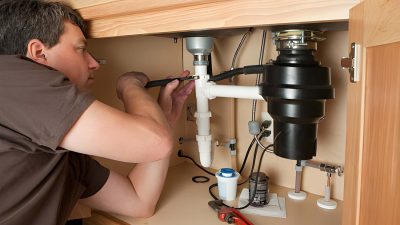
This structure means that a clog sitting in a single branch line will only affect that one fixture. A slow-draining bathroom sink, for example, points to a localized blockage somewhere between the sink trap and where the branch line meets the main line. It is an inconvenience, but it stays contained.
When a blockage forms inside the main sewer line itself, however, every fixture that drains into it is affected at the same time. Wastewater has nowhere to go, so it backs up through whichever drain offers the least resistance, which is usually the lowest fixtures in the home such as basement floor drains, ground-floor toilets, or laundry tub drains.
Isolated Fixture Clog vs. Main-Line Blockage: How to Tell the Difference
One of the most important distinctions a homeowner can make early on is whether the problem is isolated or systemic. Here is how to read the signs:
Signs pointing to an isolated clog:
- Only one fixture drains slowly or is completely backed up
- Other drains in the home work perfectly fine
- The affected fixture is a sink or tub (where hair, soap, and grease commonly build up near the drain opening)
- A basic plunger or drain snake resolves the issue
Signs pointing to a main-line blockage:
- Two or more fixtures back up on the same day without an obvious cause
- Flushing a toilet causes water to gurgle up in a nearby bathtub or sink
- Running the washing machine causes a toilet to overflow
- Multiple low-lying drains in the home are slow or completely blocked
- You hear gurgling or bubbling sounds from drains after water runs elsewhere in the home
- Raw sewage odor is coming from floor drains or toilets
That last point deserves special attention. When sewage odor becomes noticeable indoors, it typically means wastewater is backing up rather than flowing forward. This is a health hazard that requires prompt attention because raw sewage contains pathogens, bacteria, and viruses that can pose serious risks to household members.
According to the United States Environmental Protection Agency, sanitary sewer overflows can expose people to raw human waste and harmful microorganisms, making fast action a matter of both property protection and personal health.
Common Causes of Main-Line Blockages in Greater Cincinnati Homes
The Greater Cincinnati area has a mix of older neighborhoods with aging infrastructure and newer developments, which means the causes of sewer line problems vary depending on where you live and how old your home is.
Tree Root Intrusion
Tree roots are one of the leading causes of sewer line blockages across the country, and Cincinnati’s mature residential neighborhoods are no exception. Roots are naturally drawn to the warmth and moisture inside sewer pipes. Over time, they find microscopic cracks or loose joints in underground pipes and push their way inside.
Once roots establish themselves inside a pipe, they grow in size and form a dense mesh that catches passing waste and toilet paper. What begins as a partial restriction can turn into a complete blockage. The International Association of Certified Home Inspectors notes that root intrusion is among the most frequently identified defects during sewer lateral inspections.
Older neighborhoods in areas like Hyde Park, Westwood, Price Hill, and Mount Lookout commonly have large, mature trees whose root systems extend well into the yard and beneath the home’s foundation. If your home sits near large hardwood trees, root intrusion should be high on the list of suspects when multiple drains fail at once.
Aging Clay or Cast Iron Pipes
A large portion of Greater Cincinnati’s residential housing stock was built between the 1920s and the 1970s. During that era, the standard material for sewer lateral lines (the pipe connecting your home to the street) was vitrified clay or cast iron. Both materials were durable in their time, but they have a finite lifespan.
Clay pipes are especially prone to cracking, joint separation, and infiltration by tree roots. Cast iron pipes can corrode and develop buildup on their interior walls over decades of use. As sections of older pipe collapse, shift, or corrode, the interior passage narrows. Debris and grease that would normally wash through freely begin to catch and accumulate.
If your home was built before 1980 and has never had its sewer line inspected or replaced, aging pipe material is a very real possibility.
Grease and FOG Accumulation
FOG stands for fats, oils, and grease. These substances are liquid when hot but solidify as they cool inside your pipes. Over time, repeated disposal of cooking grease, butter, bacon fat, and similar substances down kitchen drains creates a sticky coating on the interior pipe walls.
This coating gradually thickens and traps food particles, soap residue, and other debris. The accumulated mass can eventually reduce a pipe’s diameter significantly, and in worst-case scenarios, it can form a complete plug. Grease buildup is particularly common in homes where kitchen drain habits have gone unchanged for many years.
The American Society of Plumbing Engineers and public utility departments across the country consistently advise homeowners to dispose of grease in a sealed container in the trash rather than sending it down the drain.
Heavy Rainfall and Ground Shifting
Cincinnati’s climate brings periods of heavy rainfall and spring thaws that can saturate the soil and cause ground movement. This shifting can place stress on underground pipes, causing joints to separate or pipes to crack. Sudden changes in drainage behavior following a major rain event can indicate that ground movement has disrupted the sewer line.
Cracked or separated joints also allow soil and groundwater to infiltrate the pipe, which introduces additional debris and can eventually lead to a collapse in severe cases.
Why a Camera Inspection Is the Right First Step
When multiple drains fail at the same time, the instinct for many homeowners is to reach for a drain snake or pour chemical solutions down the drain. While these measures can address surface-level buildup, they are unlikely to resolve a blockage deep in the main sewer line, and they do nothing to identify the underlying cause.
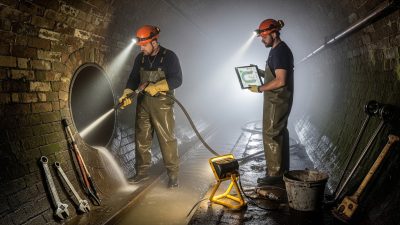
A professional sewer camera inspection involves passing a flexible, waterproof camera through the sewer line from a cleanout access point. The plumber watches live video footage to identify exactly what is causing the problem and where it is located. This matters for several reasons:
The treatment approach depends entirely on what is causing the blockage. A grease or debris clog may respond well to hydrojetting, which uses high-pressure water to scour the interior walls of the pipe and flush the blockage out. Root intrusion may require mechanical cutting combined with hydrojetting. A collapsed or severely cracked pipe section, however, requires excavation and physical repair or replacement, and applying hydrojetting to a compromised pipe can actually worsen structural damage.
Without a camera inspection, there is no reliable way to distinguish between these scenarios. The camera removes guesswork and allows the plumber to recommend the most effective and cost-appropriate solution rather than defaulting to the most expensive one.
According to This Old House, a camera inspection is considered a best practice before any major sewer line work is performed.
Hydrojetting vs. Line Repair: Choosing the Right Solution
Once the camera inspection is complete, the path forward becomes much clearer.
Hydrojetting is appropriate when the line is structurally sound but obstructed by grease buildup, organic debris, or root intrusion that has not yet caused physical damage to the pipe. The high-pressure water stream can cut through roots, scour away grease coatings, and flush everything downstream without any digging. It is thorough and long-lasting compared to mechanical snaking alone.
Line repair or replacement becomes necessary when the camera reveals structural damage such as cracks, collapsed sections, offset joints, or severe root intrusion that has compromised the pipe walls. In these cases, repair options may include:
- Spot repair: Excavating and replacing a specific damaged section of pipe
- Pipe lining (CIPP): A trenchless method where an epoxy-saturated liner is inserted and cured inside the existing pipe, creating a smooth new inner surface without full excavation
- Pipe bursting: Another trenchless technique that simultaneously breaks apart the old pipe while pulling a new pipe into place
- Full sewer lateral replacement: Necessary when the line is extensively damaged along its length
The right choice depends on the pipe’s material, age, location, and the nature and extent of the damage. A camera inspection provides the data needed to make that decision confidently.
What to Do While You Wait for a Plumber
If you suspect a main sewer line blockage, there are steps you can take to limit damage while you wait for professional help:
- Minimize all water use inside the home. Every flush, rinse, or shower adds more water to an already-backed-up system.
- Do not use chemical drain cleaners. They are unlikely to reach a main-line clog and can damage pipes or create hazardous conditions for the plumber.
- If raw sewage has entered the home, avoid contact with it and ventilate the affected area.
- Locate your main water shutoff in case you need to cut off water supply quickly.
Wrapping It Up: Take Multiple Drain Failures Seriously
The connection between simultaneous drain failures and a main sewer line problem is well established. When two or more fixtures back up on the same day, especially when accompanied by gurgling sounds or sewage odors, the most responsible course of action is to treat it as an urgent plumbing situation rather than a series of minor inconveniences.
Getting a camera inspection done promptly allows a trained plumber to see exactly what is happening inside your pipes, communicate the findings clearly, and recommend the treatment that fits the situation. Whether the answer is hydrojetting, pipe lining, or excavation, informed decisions always produce better outcomes than guesswork.
For homeowners in the Greater Cincinnati area who want to connect with a local professional, you can also find service information through Google Maps to locate experienced drain and sewer specialists in your neighborhood.
Frequently Asked Questions
Q1: Can flushing too much toilet paper cause multiple drains to back up at the same time?
A single excessive flush can sometimes create a temporary blockage near a toilet’s branch line, but it typically affects only that fixture. If multiple drains across different rooms and floor levels are backing up simultaneously, the cause is almost certainly further down the line in the main sewer, not at an individual fixture.
Q2: How quickly can a main sewer line blockage turn into a sewage backup inside the home?
The timeline varies depending on the severity of the blockage and the volume of water being used. A partial restriction may allow slow drainage for days before it becomes a complete backup. A sudden, complete blockage, such as from a pipe collapse, can cause sewage to appear inside the home within hours of normal household use. This is why it is important to reduce water use and call a plumber as soon as multiple drain failures are noticed.
Q3: How much does a sewer camera inspection typically cost?
Costs vary by region, company, and the accessibility of the sewer line. In the Greater Cincinnati area, camera inspections generally range from around $150 to $400 depending on the length of the line and any special access requirements. Many plumbers include the cost of the inspection in the overall job if work proceeds based on the findings.
Q4: Are there any warning signs before multiple drains start backing up at the same time?
Yes. Early signs of a developing main-line restriction often include a single slow-draining fixture that does not respond well to standard cleaning, intermittent gurgling sounds from drains when water is used elsewhere in the home, or a faint sewage odor near floor drains. Catching these early signs before a full backup occurs can reduce the cost and scope of the repair significantly.
Q5: Is hydrojetting safe for all types of pipes?
Hydrojetting is safe and highly effective for most pipes in good structural condition, including PVC, ABS, and cast iron. It is not appropriate for pipes with significant cracks, joint separations, or other structural damage because the high-pressure water can worsen the damage. This is precisely why a camera inspection should always be performed before hydrojetting is recommended. A plumber who recommends hydrojetting without first inspecting the line is skipping an important diagnostic step.