When it is time to upgrade your kitchen or laundry room, knowing how to dispose of old appliances in Cincinnati, OH (and across the U.S.) is not just about convenience — it is a legal and environmental obligation. Refrigerators, washing machines, air conditioners, and other large household appliances contain refrigerants, heavy metals, and hazardous materials that cannot simply be tossed at the curb. Improper disposal can result in fines, environmental damage, and federal violations. This guide walks homeowners through every safe, legal option available.
If you need hands-on help with appliance and furniture removal, professional services in your area can handle the heavy lifting while ensuring that every item is processed according to local and federal guidelines.
Why You Cannot Throw a Refrigerator or AC Unit in the Trash
Many homeowners assume that scheduling a bulk trash pickup is enough to get rid of an old refrigerator or window air conditioner. Unfortunately, that assumption is not only incorrect — it can be costly.
EPA Refrigerant Rules
The U.S. Environmental Protection Agency enforces strict rules about the handling of refrigerants under Section 608 of the Clean Air Act. Refrigerators, freezers, window AC units, and central air systems all contain refrigerants such as Freon (R-22) or newer HFCs. When these chemicals are released into the atmosphere, they contribute to ozone depletion and climate change.
Under federal law, refrigerants must be recovered by a certified technician before the appliance is scrapped or disposed of. This applies to both residential and commercial appliances. Only EPA Section 608-certified technicians are legally permitted to handle refrigerant recovery.
Local Fines and Penalties
Beyond federal rules, most municipalities have their own ordinances governing large appliance disposal. Many cities and counties prohibit placing refrigerators, AC units, or appliances containing hazardous materials at the curb for standard trash collection. Violations can result in fines ranging from $50 to several hundred dollars depending on your jurisdiction.
Some states, including California and Connecticut, have additional e-waste and appliance recycling laws that create further obligations for homeowners. Even in states with fewer regulations, landfills often refuse to accept appliances that still contain refrigerants.
Heavy Metals and Other Hazards
Beyond refrigerants, large appliances frequently contain:
- Lead in older wiring and solder joints
- Mercury in some older thermostats and switches
- Polychlorinated biphenyls (PCBs) in older capacitors
- Oils and lubricants that can contaminate soil and groundwater
These materials require specialized handling at certified recycling or disposal facilities. The Steel Recycling Institute notes that roughly 90% of materials in most household appliances can be recovered and recycled when processed correctly.
The Five Disposal Paths Ranked by Cost
Not every homeowner has the same needs, budget, or timeline. Here are the five most common legal disposal options, ranked from lowest to highest typical out-of-pocket cost.
1. Retailer Haul-Away Programs (Often Free or Low Cost)
When purchasing a new appliance from major retailers like Home Depot, Lowe’s, Best Buy, or a local appliance dealer, most offer haul-away services for your old unit. In many cases, this service is free or included with delivery fees.
The retailer’s delivery crew will disconnect and remove the old appliance at the time they install the new one. The appliance is then taken to a certified recycler. This is the most convenient and cost-effective option for homeowners who are actively buying a replacement.
Before scheduling delivery, confirm with the retailer that haul-away is available for your specific appliance type and that proper refrigerant handling is included.
2. Utility Rebate Recycling Programs (Free, Sometimes With Cash Back)
Many electric and gas utilities across the country offer appliance recycling programs that are completely free. Some even pay a rebate of $25 to $100 for older, energy-inefficient refrigerators and freezers. These programs are designed to reduce energy consumption on the grid.
You can search for programs in your area through the ENERGY STAR Rebate Finder or by contacting your utility provider directly. Appliances are picked up from your home, refrigerants are properly recovered, and usable materials are recycled.
3. Scrap Metal Yards (Free to Modest Payment)
Scrap metal recyclers accept large appliances because they contain significant amounts of steel, aluminum, and copper. Many scrapyards will pick up appliances for free or even pay a small amount per pound for the metal.
There is one important caveat: appliances with refrigerants must have those chemicals removed before a scrapyard can legally accept them. Some scrapyards handle this process in-house with certified technicians, while others require that the appliance arrive refrigerant-free. Call ahead to confirm requirements.
4. Municipal Bulk Pickup (Free, But Limited)
Most cities and counties offer scheduled bulk or large item pickup days. Residents can place appliances at the curb on a designated day for collection by the municipal waste service. This option is free, but availability varies significantly by location.
Key considerations include the frequency of pickup events, requirements for pre-registration, and whether the local service is equipped to handle appliances with refrigerants. Check with your local public works or sanitation department for scheduling details and preparation requirements.
5. Professional Junk Removal Services (Paid, Most Convenient)
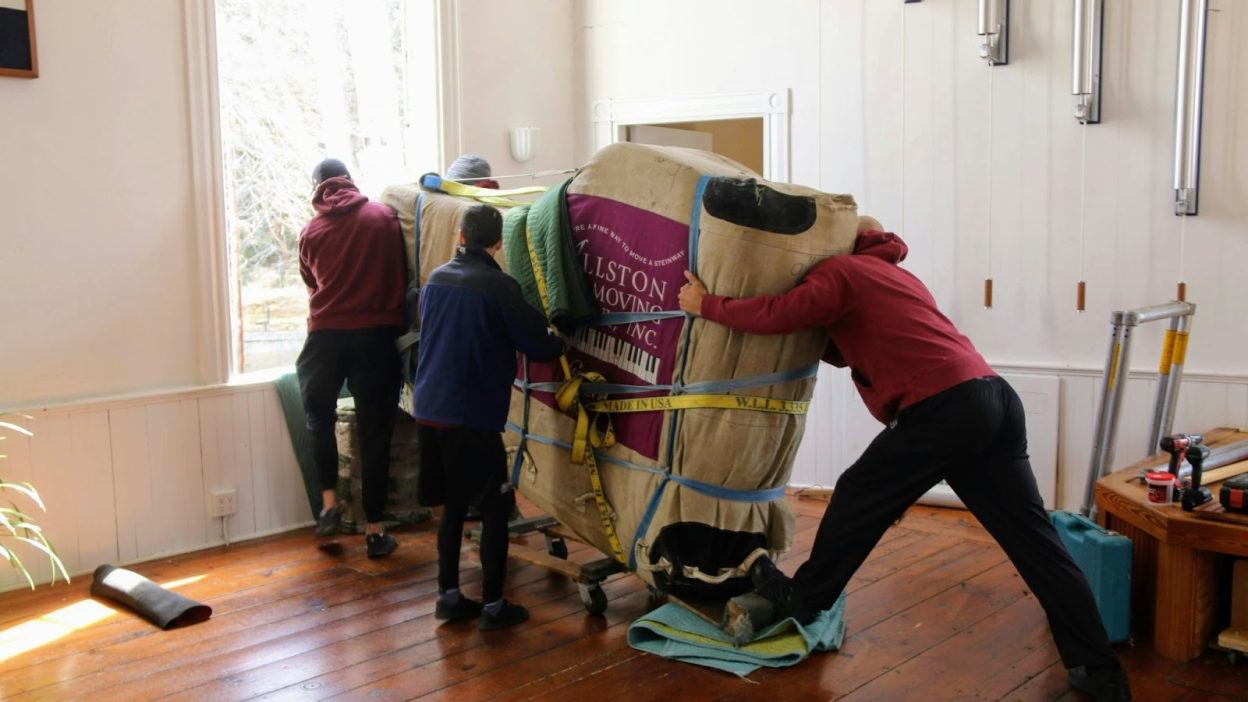
For homeowners who need fast removal, are dealing with multiple items, or cannot move heavy appliances on their own, professional junk removal is the most flexible option. These companies send a crew to your home, remove the appliances, and transport them to licensed disposal or recycling facilities.
The cost varies based on item count, size, and location, but typically ranges from $75 to $250 or more for a single large appliance. Reputable services ensure all items are disposed of in compliance with local and federal regulations.
You can find local providers through Google or by searching for certified appliance recyclers in your area. A local appliance removal service can often schedule same-day or next-day pickup and handle items that other methods cannot accommodate.
How to Prep an Appliance for Safe Pickup
Regardless of which disposal method you choose, a few preparation steps will make the process safer and smoother for everyone involved.
Shutting Off Gas Lines
If you are removing a gas range, dryer, or other gas-powered appliance, always shut off the gas supply before disconnecting the unit. Locate the shutoff valve behind or beside the appliance and turn it to the closed position. If you smell gas or are unsure how to safely disconnect a gas line, contact a licensed plumber or your gas utility provider. Never attempt to disconnect a gas line without confirming the supply is fully off.
Draining Water Lines
Washing machines, dishwashers, and refrigerators with water and ice dispensers all have water supply lines that must be disconnected. For a washing machine:
- Turn off both the hot and cold water supply valves located behind the unit.
- Disconnect the inlet hoses and allow any residual water to drain into a bucket or floor drain.
- Run a short spin cycle (if the machine still works) to remove any standing water from the drum.
For a refrigerator with a water line, shut off the water supply, disconnect the line from the back of the fridge, and use a towel to catch any remaining water.
Taping Refrigerator and Freezer Doors
Federal law (and common sense) requires that refrigerator and freezer doors be secured before moving or disposal. The Consumer Product Safety Commission has long warned about the danger of children becoming trapped inside old appliances. Tape the doors securely shut with heavy-duty packing tape or remove the door entirely if you have the tools to do so safely.
Removing Detachable Parts
Pull out shelves, drawers, and any glass components from refrigerators and ovens. These can break during transport and cause injuries. Wrap them separately or set them aside for disposal.
Clearing a Path
Large appliances are heavy and awkward to move. Clear the path from the appliance to the exit before pickup day. Remove rugs, furniture, and any obstacles. If the appliance is in a tight space, measure doorways in advance to ensure it can pass through without damage.
Wrapping It All Up: The Responsible Way to Let Go of Old Appliances
Disposing of old appliances does not have to be complicated, but it does require more thought than setting something at the curb. By understanding why certain appliances require special handling and by choosing the right disposal path for your situation, you can stay on the right side of federal and local law, protect the environment, and free up space in your home without unnecessary stress.
Whether you take advantage of a free utility rebate program, coordinate with your appliance retailer, or hire a professional removal crew, the options are plentiful. Start with the lowest-cost options first, and if timing or logistics are a barrier, professional services are available to handle the rest.
Frequently Asked Questions
1. Is it illegal to leave a refrigerator at the curb?
In most municipalities, yes. Placing a refrigerator or other appliance containing refrigerants at the curb for standard trash collection is prohibited by local ordinance and is also potentially a violation of EPA regulations under the Clean Air Act. Always check your local sanitation department guidelines before attempting curbside disposal.
2. Will a junk removal company take a refrigerator with Freon still inside?
Reputable junk removal companies that are licensed for appliance disposal will arrange for proper refrigerant recovery before recycling or scrapping the unit. When hiring a service, confirm that they use EPA Section 608-certified technicians or partner with a certified recycler. Avoid services that cannot verify their compliance process.
3. Can I get paid to recycle my old appliance?
Yes, in some cases. Many utility companies offer cash rebates for turning in old, energy-inefficient refrigerators and freezers. Some scrapyards also pay for the metal content of appliances, though the amount is typically modest. Check the ENERGY STAR Rebate Finder and contact your local utility provider to see what programs are available near you.
4. Do I need to remove the doors from an old refrigerator before disposal?
Federal guidelines recommend securing or removing the doors of refrigerators and freezers before disposal to prevent accidental entrapment. Taping the doors shut with heavy-duty tape is generally acceptable for pickup purposes. Some recycling facilities or pickup services may have their own requirements, so confirm with them in advance.
5. What should I do with an old window air conditioner?
Window AC units contain refrigerants and should not be placed in the regular trash. Options include retailer haul-away (if purchasing a new unit), local utility recycling programs, scrapyard drop-off (after refrigerant removal), municipal bulk pickup, or professional junk removal. The EPA also maintains a list of certified appliance recyclers at epa.gov that can help you locate a facility near you.