Spring and summer in Ohio bring more than just warm weather. They bring hail. If you have ever walked out after a storm to find your car dimpled with dents, you already know the sinking feeling that follows. The first question most drivers ask is: does insurance cover hail damage on a car in Cincinnati, OH? The short answer is yes, but only under specific circumstances and only with the right type of coverage. Understanding exactly how your policy works, what your deductible means for your out-of-pocket costs, and what your rights are as an Ohio driver can make a significant difference when a storm rolls through. This post breaks it all down so you are prepared before hail season peaks.
If your vehicle has already sustained storm damage, hail damage repair is a specialized service that can restore your car without unnecessary costs or complications.
Comprehensive vs. Collision Coverage: Which One Covers Hail?
Many drivers assume that any damage to their car falls under collision coverage. This is one of the most common misconceptions in auto insurance. Hail is considered an “act of nature” or weather-related event, which means it falls under comprehensive coverage, not collision.
Here is what each covers:
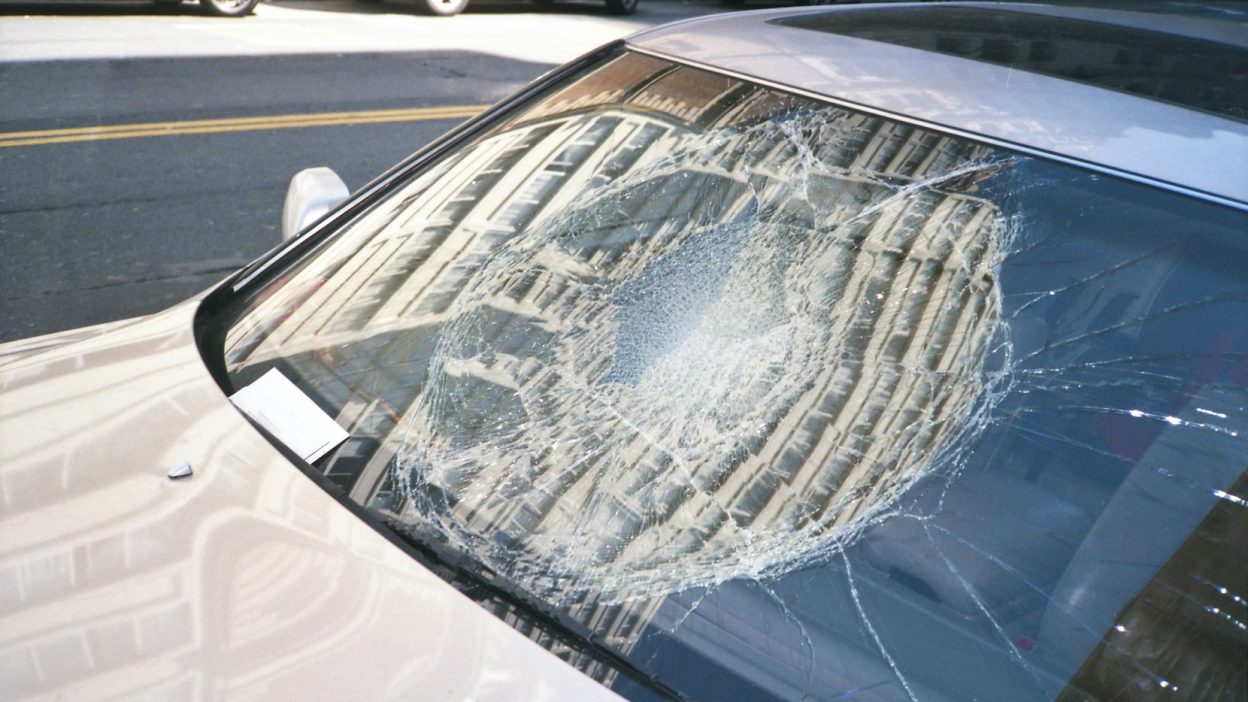
Comprehensive coverage pays for damage caused by events outside your control: hail, wind, flooding, falling objects, fire, theft, and vandalism. If a hailstorm dents your hood and cracks your windshield, comprehensive coverage is what you file a claim against.
Collision coverage pays for damage that results from your vehicle striking another object or vehicle, regardless of fault. Driving into a guardrail or being rear-ended both fall under collision.
If you only carry liability insurance (the minimum required in Ohio), you will not have coverage for hail damage at all. Liability covers damage you cause to other people and their property, not your own vehicle. To be protected against hail, you must carry comprehensive coverage as part of your policy.
According to the Insurance Information Institute, comprehensive coverage is optional in most states, though lenders typically require it if you are financing or leasing a vehicle.
How the Deductible Works for Hail Claims
When you file a comprehensive claim for hail damage, your deductible applies first. Your deductible is the amount you pay out of pocket before your insurance covers the rest.
For example, if a hailstorm causes $2,500 in damage to your vehicle and your comprehensive deductible is $500, your insurer pays $2,000 and you cover $500. If your deductible is $1,000 and the damage estimate is $900, filing a claim makes no financial sense because you would pay more out of pocket than the damage costs.
Common comprehensive deductible amounts range from $100 to $1,500. When choosing a deductible, lower deductibles come with higher monthly premiums and vice versa. Reviewing your deductible amount before storm season is a smart habit so there are no surprises if you need to file.
Will Filing a Hail Damage Claim Raise Your Rates?
This concern stops many Ohio drivers from filing legitimate claims. The reality is nuanced.
Because hail is a weather event and not the result of negligent driving, most insurers do not raise your rates for a single comprehensive claim. You were not at fault; a storm was. However, if you file multiple comprehensive claims in a short period, some carriers may adjust your rate at renewal.
The best approach is to contact your insurance agent before filing and ask directly how a claim might affect your premium. This gives you the information needed to make a smart decision for your specific policy and carrier.
The National Association of Insurance Commissioners offers a consumer resource center that can help you understand how insurers in your state handle rate adjustments after claims.
Ohio-Specific Considerations for Hail Damage Claims
Filing Deadlines
Ohio does not set a single universal deadline for filing a hail damage claim, but your insurance policy does. Most policies require that you report damage “promptly” or within a specific timeframe, often 30 to 60 days after the loss. Waiting too long can give the insurer grounds to deny your claim.
After a major storm, document the damage as soon as it is safe to do so. Take clear photographs from multiple angles, noting the date and time. This documentation protects your claim even if you wait a few weeks before contacting your insurer.
Ohio’s Right-to-Choose-Your-Shop Law
Ohio law gives vehicle owners the right to choose which repair facility fixes their car after an insurance claim. Your insurer may recommend a network or “preferred” shop, but you are under no legal obligation to use it. Ohio Revised Code Section 3929.95 prohibits insurers from requiring you to use a specific repair shop.
This is important because the quality of hail damage repair can vary considerably between facilities. Some shops specialize in the techniques needed for storm damage, while others may cut corners or use methods that reduce your vehicle’s value. Knowing you can choose your repair provider puts you in control of the outcome.
Hail Frequency in Ohio
Cincinnati and the surrounding southwestern Ohio region sit within a corridor that sees regular severe hail events, particularly from April through August. According to data from NOAA’s Storm Prediction Center, Ohio averages dozens of significant hail events annually, with hailstones frequently reaching one inch or larger in size. Hailstones of that size can cause visible dents, chipped paint, and cracked glass in a matter of minutes.
Paintless Dent Repair vs. Traditional Body Repair: What You Need to Know
When your insurer approves a hail damage claim, the repair shop will typically recommend one of two approaches. Understanding the difference helps you make an informed decision and can also affect your claim settlement.
Paintless Dent Repair (PDR)
Paintless dent repair is a technique where technicians use specialized tools to carefully massage dents out from the inside of the panel without disturbing the original paint. When performed correctly by a skilled technician, PDR leaves no trace of the damage and preserves the factory paint finish.
PDR is often the preferred method for hail damage because:
- It is significantly less expensive than traditional bodywork
- It does not require filler, sanding, or repainting
- The vehicle retains its original paint, which helps maintain resale value
- Repairs are typically faster, often completed in one to three days
Insurance companies generally favor PDR because it reduces claim costs. However, PDR is only appropriate when the dents are not too deep, the paint has not cracked, and the panel is accessible to the technician’s tools.
Traditional Body Repair
When hail damage is severe, when paint has cracked or chipped, or when panels are deeply deformed, traditional body repair becomes necessary. This process involves filling dents, sanding, priming, and repainting affected panels.
Traditional repair costs more and takes longer. It can also slightly affect resale value because repainted panels, even done well, are often detectable during a pre-purchase inspection. If traditional repair is required, the insurer’s estimate should reflect the full scope of work needed to restore the vehicle properly.
Choosing the Right Method
Ask your repair facility to assess which method is appropriate for your specific damage before agreeing to a repair plan. A reputable shop will be honest about when PDR is sufficient and when it is not. Avoid shops that push one method exclusively without properly evaluating your vehicle.
Steps to Take After a Hailstorm
Acting quickly and methodically after a hailstorm protects your claim and your vehicle:
- Wait until the storm passes and conditions are safe before inspecting your vehicle.
- Document all visible damage with photos and video, including the date and time.
- Review your policy to confirm you have comprehensive coverage and note your deductible.
- Contact your insurance company to report the damage and begin the claims process.
- Get an independent repair estimate from a facility you trust before accepting an insurer’s assessment.
- Exercise your right under Ohio law to choose the repair shop that performs the work.
Final Thoughts on Hail Coverage for Ohio Drivers
Hail season in Ohio is not a matter of if but when. Knowing whether your policy includes comprehensive coverage, what your deductible means for your wallet, and how Ohio law protects your right to choose your repair shop puts you in a much stronger position when a storm hits. The difference between a smooth claims process and a frustrating one often comes down to preparation and knowing your rights ahead of time.
For drivers in the Cincinnati area who need expert storm damage assessment and repair, finding a qualified hail damage repair specialist ensures your vehicle is restored properly and your claim is handled accurately. You can also find local repair services through Google Maps to locate a trusted shop near you.
Frequently Asked Questions
1. Does insurance cover hail damage on a car if I only have liability coverage?
No. Liability coverage only pays for damage you cause to other people or their property. To have coverage for hail damage to your own vehicle, you need comprehensive coverage as part of your auto insurance policy.
2. Is there a time limit for filing a hail damage claim in Ohio?
Ohio does not have a single statewide deadline, but your individual policy will specify a reporting window, often 30 to 60 days. It is important to document and report damage promptly to avoid a denial based on delayed reporting.
3. Will a hail damage claim increase my car insurance premium?
A single comprehensive claim for weather-related damage typically does not raise your rates because you were not at fault. However, multiple claims in a short period may affect your premium at renewal. Check with your agent before filing to understand how your specific carrier handles this.
4. Can my insurance company require me to use a specific repair shop in Ohio?
No. Under Ohio Revised Code Section 3929.95, insurance companies cannot require you to use a particular repair facility. You have the legal right to choose the shop that repairs your vehicle.
5. What is the difference between paintless dent repair and traditional repair for hail damage?
Paintless dent repair uses specialized tools to remove dents without affecting the original paint finish. It is less expensive and faster than traditional repair, which involves filling, sanding, and repainting panels. PDR is ideal for moderate dents with intact paint. Traditional repair is necessary when damage is severe or paint has cracked.
6. How do I know if my hail damage is covered under comprehensive or collision insurance?
Hail is a weather event, so it falls under comprehensive coverage, not collision. Collision coverage applies when your vehicle strikes another object or vehicle. If a storm caused the damage, file under comprehensive.