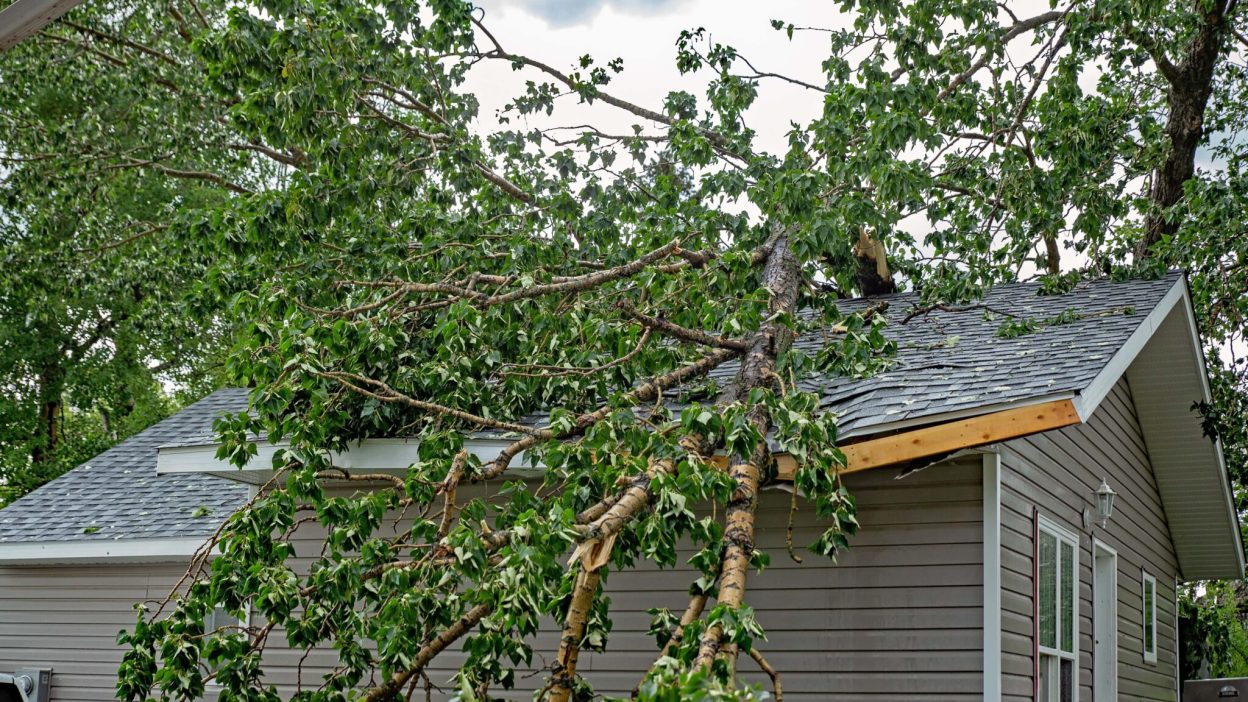
Severe weather can strike without warning, and in the hours following a storm, homeowners often find themselves unsure of what to do next. If you suspect storm damage repair is needed on your home in Northeast Ohio, acting quickly is one of the most important decisions you can make. Hidden damage can escalate into costly structural repairs in a matter of days, especially when water is involved. Understanding the right steps to take immediately after a storm helps you protect your home, preserve your insurance options, and avoid the compounding problems that come with delayed action. This guide walks you through exactly what to do, what to look for, and why timing matters so much when your roof has been compromised.
Immediate Steps to Take After Storm Damage to Your Home
The moments after a major storm passes can feel chaotic, but staying organized and following a clear plan will protect both your safety and your property. Your first priority should always be the safety of your household before any inspection or documentation takes place. Do not go outside or onto the roof while conditions remain dangerous, and be alert to downed power lines, standing water, or unstable trees near the structure. Once it is safe to move around, begin assessing the situation from the ground level so you can start building a record of what occurred.
Document everything as thoroughly as possible. Use your smartphone to take photos and videos of any visible damage to the roof, gutters, siding, windows, and surrounding property. Documentation is critical not only for your own records but also because your homeowners insurance provider will require evidence before processing any claim. According to the Insurance Information Institute, reporting damage to your insurer promptly and providing thorough documentation significantly improves the likelihood of a successful claim. Time-stamped photos taken shortly after the storm are far more compelling than those taken days later.
Contact your insurance company as soon as you have done your initial walkthrough. Most policies have specific timeframes within which damage must be reported, and failure to act quickly can result in claim complications or outright denials. While you wait for an adjuster, take any practical steps that are safe and within your ability, such as placing buckets under active leaks or covering broken windows with plastic sheeting. These are temporary protective measures, not permanent repairs, so avoid making any significant changes to damaged areas before your insurer has had the opportunity to assess them.
Arrange for a professional roofing inspection immediately. A licensed roofing contractor has the training and experience to identify damage that is not visible to the untrained eye, such as compromised flashing, cracked underlayment, or weakened structural decking. Getting a professional assessment on record early creates a powerful foundation for your insurance claim and ensures that all damage is accounted for before any work begins.
How to Identify Roof and Exterior Damage After a Storm
Many homeowners focus on the most obvious signs of storm damage, such as large missing shingles or visible holes, but some of the most costly types of damage are hidden from plain sight. Knowing what to look for helps you communicate clearly with your roofing contractor and insurance adjuster. A thorough post-storm inspection should cover your roof, gutters, siding, soffit, and even your attic interior, as each area tells part of the story about what the storm actually did to your home.
On your roof, look for the following warning signs from the ground:
- Missing, curling, cracked, or displaced shingles
- Dark spots, streaks, or discoloration that may indicate water intrusion
- Granule accumulation in gutters or downspouts, which signals shingle deterioration
- Visible sagging or uneven sections along the roofline
- Damaged or dislodged flashing around chimneys, vents, and skylights
Hail damage requires special attention because it is frequently invisible from the ground but can cause significant long-term harm to roofing materials. Hailstones create small impact craters on asphalt shingles that displace granules, exposing the asphalt layer underneath to UV rays and moisture. According to the National Roofing Contractors Association, even minor hail damage that appears cosmetic can reduce a shingle’s effective lifespan by several years if left unaddressed. This is why a professional inspection is valuable after any hailstorm, regardless of whether you notice obvious damage from the ground.
Your gutters and downspouts can serve as important indicators of roof health. Dents, cracks, and visible detachment from the fascia boards are direct signs of physical storm impact. An accumulation of shingle granules in the gutters after a heavy storm is a clear signal that shingles have been impacted and are losing their protective coating. Gutters that are pulling away from the structure or are visibly bent may no longer be directing water properly away from your foundation, which can create secondary issues well beyond the roofline.
Inside your home, check the attic and upper ceilings for water stains, soft or sagging drywall, mold growth, or daylight visible through the roof boards. Water intrusion is often first detected in the attic, and catching it early prevents it from migrating into insulation, wall cavities, and structural framing. If you notice any of these interior signs, contact a roofing professional immediately, as active water intrusion is a time-sensitive issue that worsens with every rainfall that follows.
Why Fast Professional Repair Prevents Further Damage and Insurance Issues
Once storm damage has occurred, the clock begins ticking in multiple directions simultaneously. Every hour that passes without proper protective measures in place is an opportunity for water, wind, and temperature fluctuations to make the damage significantly worse. A small area of missing shingles can allow enough moisture to enter the decking that an entire roof section becomes structurally compromised within a few weeks. Acting quickly is not an overreaction; it is sound property management that protects one of your most valuable financial assets.
Water damage is the most serious secondary consequence of delayed storm repair. When moisture penetrates through a compromised roof, it can saturate insulation, rot wooden framing, and create the humid, dark conditions that allow mold and mildew to thrive. The U.S. Environmental Protection Agency notes that mold can begin growing on wet building materials within 24 to 48 hours of moisture exposure. What starts as a localized roof repair can escalate into a full-scale mold remediation project if action is not taken promptly, often at a cost that dwarfs the original repair estimate.
From an insurance perspective, timely action also protects your ability to receive fair compensation. Most homeowners insurance policies include language about the policyholder’s duty to mitigate further damage after a covered loss. If an insurer determines that inaction on your part allowed damage to worsen beyond the initial storm impact, they may reduce or deny the portion of the claim related to that additional damage. Having a licensed roofing contractor on record with a prompt assessment and any emergency protective measures installed demonstrates that you took your responsibilities seriously and acted in good faith. You can find a local roofing professional serving Northeast Ohio to get that process started quickly.
Emergency tarping and temporary protective measures are a legitimate first line of defense. Professional roofers can install heavy-duty tarps over exposed areas to create a watertight barrier while permanent repairs are being scheduled. This step is important not only for home protection but also because it shows your insurance company that proactive steps were taken immediately after the storm. Temporary protective work should always be performed by a qualified contractor rather than a homeowner, both for safety reasons and to ensure the work meets the documentation standards insurers typically require.
Choosing a local contractor with storm damage experience matters enormously. Local roofing professionals are familiar with the specific weather patterns, building codes, and insurance claim processes common to Northeast Ohio. They can provide detailed inspection reports, photo documentation, and itemized repair estimates that are formatted in a way that insurers understand and accept. A contractor with deep experience in storm damage claims also knows how to identify every area of impact so that nothing is overlooked, which means you are more likely to receive a claim settlement that reflects the full scope of what occurred.
Final Thoughts: Your Roof Is Your Home’s First Line of Defense
A storm does not have to cause catastrophic visible damage to warrant a professional inspection and potentially significant repairs. The hidden consequences of even moderate storms can develop into serious structural and financial problems when left unaddressed. Documenting damage promptly, contacting your insurer without delay, and scheduling a professional roofing assessment are the three most important actions you can take in the aftermath of any severe weather event. When it comes to your roof, the cost of acting fast is always lower than the cost of waiting.
Frequently Asked Questions About Storm Damage Repair
1. How soon after a storm should I have my roof inspected?
You should schedule a professional roof inspection as soon as conditions are safe, ideally within 24 to 72 hours of the storm passing. Acting quickly helps ensure that any damage is documented while it is still in its original state, which is important for insurance purposes. Waiting too long also increases the risk that secondary damage from rain or wind will compound the original issues, making repairs more extensive and costly.
2. What types of storms cause the most roof damage in Ohio?
In Northeast Ohio, hailstorms and high-wind events are among the most damaging to residential and commercial roofs. Hail can pit and crack asphalt shingles, dislodge granules, and compromise flashing, often without the damage being visible from the ground. High winds can lift or completely strip shingles, dislodge gutters, and force water underneath roofing materials. Heavy snow and ice damming in winter months can also cause significant structural stress and water intrusion along eaves and valleys.
3. Will my homeowners insurance cover storm damage roof repair?
Most standard homeowners insurance policies cover sudden and accidental storm damage caused by wind, hail, and other covered perils. However, coverage can be affected by factors such as the age of your roof, your deductible, and whether the damage resulted from a covered event versus general wear and neglect. Reporting damage promptly, documenting it thoroughly, and partnering with a licensed roofing contractor to prepare your inspection report will give you the strongest possible position when filing your claim.
4. Is it safe for me to go on the roof myself to check for damage?
In most cases, it is not advisable for homeowners to attempt to access the roof after a storm. Wet or damaged roofing materials can be extremely slippery, and the structural integrity of the roof may be compromised in ways that are not visible from the surface. Observing from the ground and noting any obvious damage, then calling a licensed roofing professional to conduct a safe and thorough inspection, is the recommended course of action. Professional roofers have the equipment, training, and insurance to perform these assessments safely.
5. What is emergency tarping and do I need it?
Emergency tarping involves installing a heavy-duty waterproof tarp over areas of your roof that have been exposed or compromised by storm damage. It is a temporary protective measure designed to prevent water from entering the home while permanent repairs are being arranged and approved through insurance. You may need emergency tarping if your roof has missing shingles over a large area, has sustained visible structural damage, or if rain is forecast before a permanent repair can be completed. A licensed roofing contractor can assess whether tarping is necessary and install it correctly to protect your home and meet insurance documentation requirements.