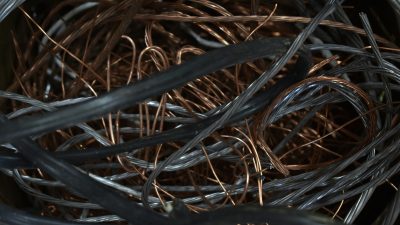
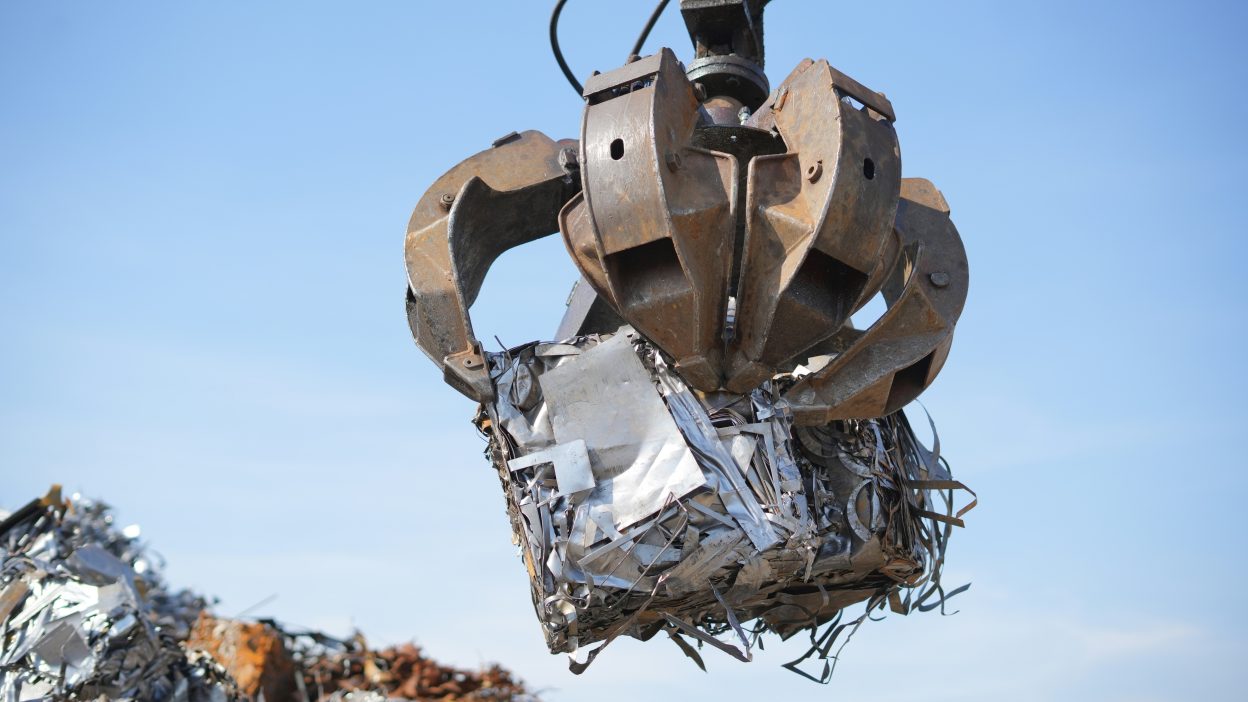
If your facility generates scrap metal regularly, one of the simplest ways to increase your recycling returns is to sort before you sell. Knowing how to sort scrap metal in Charlotte, NC — or any industrial market — is a skill that directly affects your bottom line. Studies and industry data consistently show that facilities practicing on-site sorting can increase their scrap payout by 20 to 40 percent compared to facilities that dump everything into a single mixed bin. The good news is that sorting does not require expensive equipment or specialized staff. It requires a basic understanding of metal types, grade-level differences, and a smart bin system on your floor. For facilities looking for professional guidance on industrial and commercial recycling, partnering with a knowledgeable scrap buyer is an important first step.
This guide walks through everything your team needs to know to implement a sorting system that pays off.
Why Mixed Scrap Costs You Money
When ferrous and non-ferrous metals are combined in the same bin, the entire load is typically priced at the lowest common denominator, which is usually the cheapest, least valuable metal in the mix. Scrap yards cannot pay you top dollar for copper or clean aluminum if they have to spend labor hours pulling it apart from steel and iron.
Mixed loads also introduce contamination issues. Painted aluminum, for example, must be processed differently than bare aluminum sheet. Oil-contaminated steel may be rejected entirely or heavily discounted. Buyers need clean, consistent grades to efficiently feed downstream smelters and processors, and they price accordingly.
The result is straightforward: when you mix, you lose. When you sort, you capture the full market value of each metal type in your waste stream.
Step One: Learn to Identify Ferrous vs. Non-Ferrous Metals
The first and most important distinction in any sorting system is separating ferrous metals from non-ferrous metals.
Ferrous metals contain iron. This includes common shop materials like carbon steel, stainless steel, cast iron, and wrought iron. These metals are generally heavier, prone to rust and oxidation, and are typically lower in scrap value per pound compared to non-ferrous metals.
Non-ferrous metals contain no iron. Copper, aluminum, brass, bronze, lead, zinc, and nickel all fall into this category. They are generally more valuable by weight and are critical inputs for electrical wiring, plumbing, HVAC components, and precision manufacturing.
The Magnet Test
The fastest field method for separating ferrous from non-ferrous is a simple magnet. A strong rare-earth magnet works best, but even a basic refrigerator magnet can help in a pinch.
- If the magnet sticks firmly, the metal is ferrous (iron-based).
- If the magnet does not stick or sticks only weakly, the metal is likely non-ferrous.
Note: Some grades of stainless steel are non-magnetic even though they contain iron and chromium. If a magnet does not stick but the material appears to be a bright, corrosion-resistant steel, it may still be stainless steel rather than a non-ferrous metal. In those cases, look for product labels, part markings, or use a spark test.
Other Quick Field Identification Methods
Beyond the magnet, your team can use a few additional techniques:
Color and appearance: Copper has a distinctive reddish-orange color. Brass is yellow-gold. Aluminum is light silver-gray with low weight. Lead is dull gray and very heavy for its size.
Weight test: Pick up the piece. Aluminum is lightweight. Lead and copper are surprisingly dense. If a piece feels heavier than expected for its size, it is likely a denser non-ferrous metal.
Spark test: When a grinder touches ferrous metal, it produces bright, branching sparks. Non-ferrous metals produce few or no sparks. This method is commonly used in industrial settings. OSHA guidelines should always be followed when using grinders.
Sound test: Drop the piece on a concrete floor. Non-ferrous metals like copper and brass produce a distinct ringing tone. Steel tends to produce a dull thud.
For a deeper overview of metal identification, the American Institute for International Steel and resources from The Minerals, Metals and Materials Society (TMS) offer technical references used by industry professionals.
Step Two: Sort by Grade, Not Just by Metal Type
Once you have separated ferrous from non-ferrous, the next level of value comes from sorting within each metal category by grade. Grade accuracy is where the biggest pricing differences appear.
Copper Grades
Copper is one of the most valuable metals in a facility’s scrap stream, but its value varies significantly based on grade:
No. 1 Copper (Bright and Shiny): Clean, uncoated, unalloyed copper pipe or wire that is free of solder, paint, fittings, and insulation. This is top-dollar copper.
No. 2 Copper: Copper that has been soldered, painted, or coated, or contains minor impurities. This grades lower than No. 1 and pays less per pound.
Insulated Copper Wire: Copper wire still in its plastic or rubber sheathing. Value depends on the percentage of copper inside the insulation. Thick-gauge wire has a higher copper recovery rate than thin communication wire.
Copper Tubing with Fittings: If fittings are brass or contain solder, the load drops in grade. Removing fittings before sale significantly increases value.
Aluminum Grades
Aluminum also breaks into distinct grades:
Clean Aluminum Sheet: Uncoated, unpainted, dry aluminum sheet metal from HVAC, roofing, or manufacturing scrap. High value.
Painted or Coated Aluminum: The same sheet with paint or coatings. Lower value because smelters must burn off the coating.
Cast Aluminum: Engine blocks, transmission cases, and housings. Different alloy composition than sheet, priced separately.
Aluminum Cans: Beverage cans are a lower grade due to the mixed alloys and coatings used in production.
Extruded Aluminum: Window frames, door thresholds, and structural extrusions. Often a mid-range aluminum grade.
Steel and Iron Grades
On the ferrous side:
Prepared Steel: Clean steel cut to size specifications, free of attachments. Best ferrous price.
Unprepared Steel: Larger pieces that need to be sheared or torch-cut before processing. Lower price.
Cast Iron: Engine blocks, pipe fittings, and old radiators. Priced separately from steel due to carbon content.
Stainless Steel: Priced by alloy series (300-series chromium-nickel alloys are worth more than 400-series). Keep stainless separate from carbon steel.
Taking the time to strip, clean, and properly classify each metal type before selling can mean the difference between a mediocre check and a payout that reflects true market value. The Institute of Scrap Recycling Industries (ISRI) publishes detailed commodity specifications that define grades used across the industry.
Step Three: Set Up a Color-Coded Bin System
The most effective way to maintain separation on a busy production floor or job site is to eliminate guesswork with a visual bin system. When every worker knows exactly where each metal goes without having to think about it, contamination drops dramatically.
Recommended Color-Coding Framework
Here is a straightforward color-coding structure many facilities use:
Red Bins: Copper (all grades, kept separate if volume allows)
Blue Bins: Aluminum (clean sheet separate from cast and coated if volume is high enough)
Yellow Bins: Brass and bronze
Black Bins: Steel and iron (ferrous metals)
Gray Bins: Stainless steel
White or Clear Bins: Mixed or unsorted metal (last resort, should be minimized)
Post laminated signs above each bin with both the color code and the metal name. Include a short visual example (a picture of copper pipe or aluminum sheet) so workers of all language backgrounds can identify the correct bin.
Tips for Keeping the System Working
Label bins on all four sides so they are visible from any direction on the floor. Use bins that are large enough to hold a reasonable volume but not so large that they become dumping grounds for anything and everything.
Assign a sorting monitor or lead technician to do a quick bin check at the start and end of each shift. Early catches prevent costly contamination from spreading through an entire load.
Consider a small bonus incentive for departments or crews that maintain clean, uncontaminated bins over a pay period. Small financial incentives tied directly to scrap payout improvement create positive feedback loops.
Train new employees on the sorting system during onboarding. Include a five-minute hands-on sorting demonstration using sample pieces from the floor.
When in doubt, separate it out. If a worker cannot identify a metal, it should go into a designated “unknown” container rather than guessing and contaminating a known clean bin.
The Financial Case: What Better Sorting Actually Earns
To understand the potential return, consider a facility that generates 500 pounds of copper scrap per month mixed in with steel. If the entire load is sold as mixed metals at a rate of $0.25 per pound, the monthly return is $125.
If that same copper is separated and sold as No. 2 copper at $3.00 per pound, the same 500 pounds returns $1,500 per month. That is a difference of $1,375 every month for the same material, with no change in production.
Multiply this across copper, aluminum, and brass streams, and the annual difference for a mid-size manufacturing facility can reach tens of thousands of dollars. This is the core reason that on-site sorting is considered a best practice by every industrial scrap recycler.
Final Thoughts: Turning Scrap into a Revenue Stream
Wrapping It All Up
Sorting scrap metal at your facility is not complicated, but it does require consistent habits, a simple system, and basic training. The magnet test gives you ferrous versus non-ferrous in seconds. Grade-level sorting captures the full value of your highest-worth metals. A color-coded bin system keeps your team aligned without requiring expertise on every piece of material.
When your scrap stream is clean, sorted, and well-documented, you become a preferred customer to recycling buyers. Preferred customers often receive faster service, better pricing, and more consistent pickup schedules. You can learn more about how industrial and commercial recycling programs work for facilities of all sizes, or find a local scrap metal recycler near you to discuss your facility’s specific material mix.
The money is already in your scrap bins. Proper sorting is how you collect it.
Frequently Asked Questions
Q1: What is the easiest way to tell if a metal is ferrous or non-ferrous?
The simplest method is the magnet test. Hold a magnet near the metal. If it sticks firmly, the metal is ferrous and contains iron. If it does not stick, the metal is likely non-ferrous. This works for the vast majority of common shop metals including steel, copper, aluminum, and brass.
Q2: Why does it matter whether copper is No. 1 or No. 2 grade?
Grade affects price because smelters have to spend more energy and resources processing lower-grade material. No. 1 copper is clean and uncoated, making it ready for direct re-melting. No. 2 copper contains solder, paint, or impurities that require additional processing steps, which reduces its value per pound.
Q3: Can painted aluminum still be recycled?
Yes, painted aluminum can be recycled, but it is priced lower than clean, unpainted aluminum sheet. The paint coating must be burned off during processing, which adds cost. Stripping paint or powder coating before sale, when possible, increases the value of aluminum scrap.
Q4: How many bins does a facility actually need to sort scrap effectively?
Most small to mid-size facilities do well with four to six bins covering: ferrous metals (steel and iron), stainless steel, copper, aluminum, and brass or bronze. Facilities with higher scrap volumes may benefit from breaking aluminum into sub-categories like clean sheet, cast, and coated. Start simple and add separation as volume justifies it.
Q5: How often should scrap bins be picked up or emptied?
This depends on your production volume, but most industrial facilities benefit from scheduled pickups at least once or twice per month. Letting bins overflow leads to cross-contamination as workers start placing metals wherever space is available. Consistent pickup schedules also allow your recycling buyer to track your material output and offer more accurate pricing agreements over time.
Q6: Is stainless steel worth more than regular carbon steel?
Generally yes, particularly for 300-series stainless steel alloys containing nickel and chromium. These have higher commodity value than carbon steel. Keep stainless separate from carbon steel in your bin system to capture its full market value.