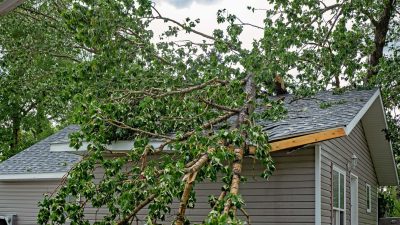
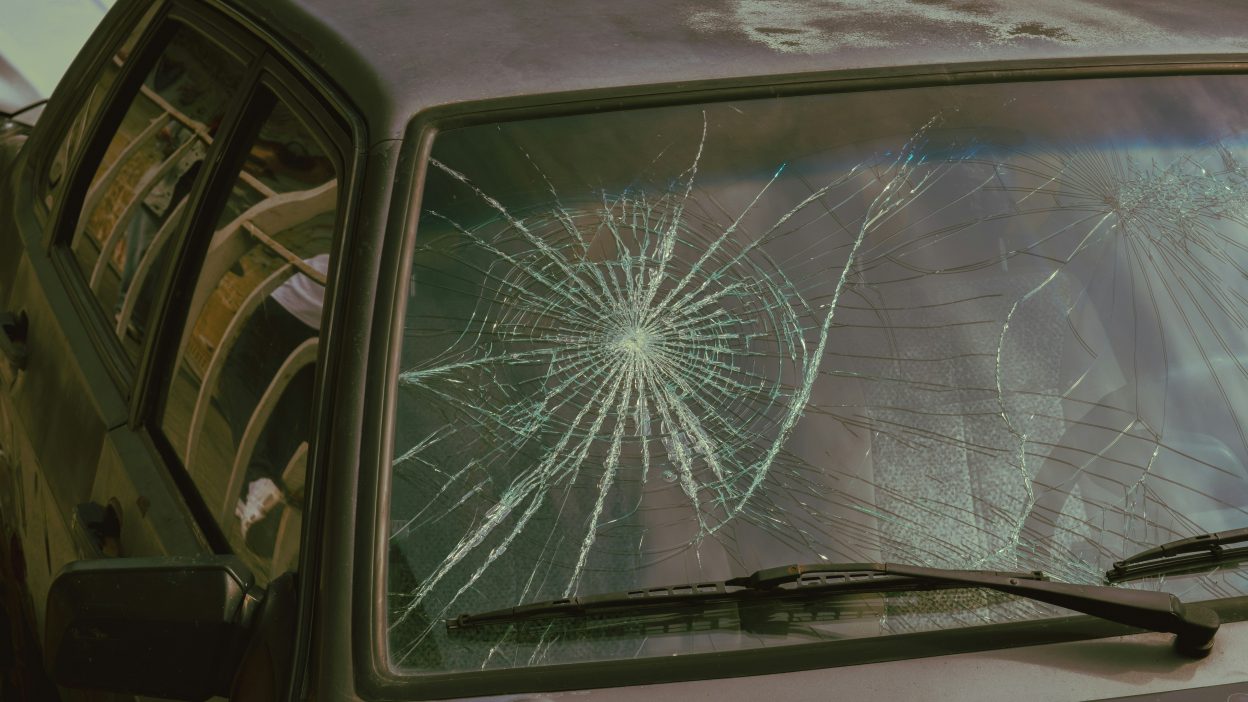
Hailstorms can strike without warning, leaving behind a trail of dents, cracked glass, and paint damage that turns a perfectly good vehicle into a costly problem. If you have recently been through a storm, you are probably already searching for answers about hail damage repair cost in your area and whether your auto insurance will cover the bill. Understanding what drives the price of repairs, how insurance claims work, and why using a qualified repair shop matters can save you time, money, and a lot of frustration. This guide breaks everything down so you can move forward with confidence.
For drivers who want professional, reliable results, hail damage repair services performed by trained technicians offer the best path to restoring a vehicle to its pre-storm condition.
What Affects the Cost of Hail Damage Repair?
Hail damage repair is not a one-size-fits-all service. Costs can vary significantly from one vehicle to the next, and several key factors determine where your final bill lands.
Size and Quantity of Dents
The most obvious cost driver is how many dents the hail left behind and how large each one is. A mild storm with marble-sized hail hitting a few panels is a very different job compared to a severe storm with golf ball-sized hailstones pounding an entire vehicle. Repair technicians typically assess each dent individually, so more dents and larger dents translate directly into a higher quote.
Location of the Damage
Damage on the hood and roof is usually more straightforward to repair than dents on doors, fenders, or areas near trim, moldings, or body lines. When dents sit close to edges or complex curves, specialized techniques or additional labor are required, which raises the overall cost.
Repair Method Used
There are two primary approaches to fixing hail dents:
- Paintless Dent Repair (PDR): This technique uses specialized tools to massage dents out from behind the panel without disturbing the original paint. PDR is faster, more affordable, and preserves the factory finish, making it the preferred method when the paint is intact. According to the National Alliance of Paintless Dent Repair Technicians, PDR is suitable for the vast majority of hail damage scenarios.
- Traditional Body and Paint Repair: When paint has cracked, chipped, or the metal is too severely deformed for PDR, conventional bodywork is necessary. This involves filling, sanding, priming, and repainting affected panels, which requires more time and materials, increasing costs substantially.
Vehicle Type and Panel Material
Larger vehicles like trucks and SUVs naturally have more surface area exposed to hail, which can mean more damage to address. Luxury vehicles and exotic cars often have panels made from aluminum or composite materials that require specialized skills and tools, which can push repair costs higher than average.
Geographic Location and Labor Rates
Labor rates differ from one region to another. Shops in major metropolitan areas typically charge more per labor hour than shops in smaller towns. Additionally, following a major storm that affects a large area, local shops may have extended wait times and pricing can shift temporarily due to demand.
Average Hail Damage Repair Cost: What to Expect
While every vehicle and storm is different, there are general pricing ranges that give car owners a helpful starting point.
- Minor hail damage (small, scattered dents, paint intact): PDR for light damage can range from approximately $75 to $150 per dent, with total repairs often falling between $500 and $1,500 depending on the total count.
- Moderate hail damage (numerous dents across multiple panels): Repairs in this range typically fall between $1,500 and $3,500, with PDR still being viable for most of the affected areas.
- Severe hail damage (extensive dents, cracked glass, paint damage): When damage is widespread or the paint has been compromised, costs can climb from $3,500 to $10,000 or more, depending on the extent of traditional bodywork needed.
The Insurance Information Institute notes that hail damage is one of the most common causes of comprehensive auto insurance claims in the United States, which underscores just how frequently car owners deal with this issue.
Windshield and window damage is often billed separately and can add anywhere from $200 to $1,000 depending on whether the glass needs repair or full replacement.
Does Insurance Cover Hail Damage Repairs?
This is one of the most common questions car owners ask after a storm, and the good news is that hail damage is generally covered, but there is an important catch: it depends on the type of auto insurance coverage you carry.
Comprehensive Coverage and Hail Damage
Hail damage is covered under comprehensive auto insurance, not collision coverage. Comprehensive coverage protects against damage caused by events outside of your control, including weather events like hailstorms, flooding, falling objects, and fire.
If you carry full coverage (which includes both collision and comprehensive), you are typically protected against hail damage claims. However, if you carry only liability insurance, hail damage to your own vehicle will not be covered.
Deductibles and How They Work
Even with comprehensive coverage, you will be responsible for paying your deductible before insurance kicks in. Deductibles for comprehensive policies commonly range from $250 to $1,000, though some policies have higher amounts.
If the total repair cost is only slightly above your deductible, it may be worth considering whether filing a claim makes financial sense, especially if you are concerned about potential premium increases. Speaking with your insurance agent directly can help clarify how a claim might affect your rates.
Filing a Hail Damage Insurance Claim: The Basic Steps
- Document the damage thoroughly. Take clear photos of every affected area of the vehicle before any repairs begin.
- Contact your insurance company promptly. Report the damage as soon as possible after the storm.
- Get an inspection. Your insurer will likely send an adjuster or ask you to visit a preferred shop for an estimate.
- Obtain an independent repair estimate. Having a quote from a reputable local shop gives you a reference point when reviewing the insurance adjuster’s assessment.
- Understand the payout. Insurers will typically pay the estimated repair cost minus your deductible. If a shop finds additional damage during the repair, a supplemental claim can often be filed.
The National Association of Insurance Commissioners provides helpful guidance on understanding auto insurance policies and how claims are processed.
Why Professional Repair Matters for Hail Damage
When dealing with hail damage, the temptation to use the cheapest option or attempt DIY fixes is understandable, but it rarely pays off in the long run.
Preserving Your Vehicle’s Value
A professional repair restores a vehicle close to its original condition, which protects resale and trade-in value. Dents, paint blemishes, and visible storm damage significantly reduce what buyers and dealerships are willing to pay. Well-documented professional repairs, on the other hand, demonstrate that the vehicle has been properly maintained.
Accurate Damage Assessment
Hail damage is not always immediately visible. A trained technician can identify structural issues, compromised paint coatings, and subtle damage that an untrained eye might miss. Catching hidden damage early prevents more expensive problems down the road.
Warranty and Accountability
Reputable repair facilities stand behind their work with warranties. This provides peace of mind that if issues arise after the repair, there is a path to getting them resolved at no additional cost. DIY or unqualified repairs offer no such assurance.
Working Smoothly with Insurance
Experienced repair professionals understand the insurance claims process. They can communicate directly with adjusters, document findings clearly, and file supplemental claims for damage discovered during the repair process. This coordination reduces stress for the vehicle owner and helps ensure that the full scope of damage is addressed.
For drivers in the area looking for a trusted local option, this hail damage repair location can help connect you with professional service and local expertise.
Wrapping It All Up
Hail damage can range from a minor inconvenience to a major repair project, and understanding the cost factors involved helps car owners make informed decisions. The severity and location of dents, the repair method required, and the type of vehicle all play roles in determining the final price. Repair costs typically range from a few hundred dollars for minor damage to several thousand for severe storms.
Comprehensive auto insurance provides coverage for hail damage, but it is important to weigh your deductible against the total repair cost before filing a claim. Working with a professional repair service offers benefits that extend beyond the immediate fix, including vehicle value preservation, accurate damage assessment, and smooth coordination with your insurer.
Taking time to understand your options and work with qualified professionals makes the entire experience less stressful and leads to better outcomes for your vehicle.
Frequently Asked Questions (FAQs)
1. How long does hail damage repair typically take?
The timeline depends on the severity of the damage. Minor PDR repairs on a single panel may be completed in a few hours, while extensive damage requiring traditional bodywork and paint can take several days or even a week or more. Your repair shop can provide a more precise estimate after inspecting the vehicle.
2. Will filing a hail damage claim raise my insurance premiums?
Filing a comprehensive claim for hail damage may or may not affect your premium, depending on your insurer and policy terms. Since hail is considered an “act of nature” and not the driver’s fault, many insurers do not penalize policyholders for weather-related claims. It is still worth asking your insurance agent before filing, especially if the repair cost is close to your deductible amount.
3. Is paintless dent repair a permanent fix?
Yes, when performed correctly by a skilled technician, PDR produces lasting results. The technique manipulates the metal back to its original shape without affecting the factory paint, and the repair does not require fillers or repainting, which means there is no risk of fading or mismatched color over time.
4. Can I drive my car after a hailstorm before getting it repaired?
In most cases, yes. Hail damage is generally cosmetic and does not immediately affect vehicle safety or performance. However, if the windshield or other glass has been cracked, visibility may be compromised and driving the vehicle could be unsafe. It is also important to document damage promptly for insurance purposes, so delaying inspection too long is not advisable.
5. What if my insurer’s estimate is lower than the repair shop’s quote?
This is a common situation. You have the right to work with the repair shop of your choice, and shops experienced with insurance claims can often negotiate directly with adjusters or file a supplemental claim if additional damage is found during the repair process. Getting an independent estimate from a reputable shop before accepting the insurer’s payout gives you useful leverage in these discussions.
6. Does hail damage affect a vehicle’s structural integrity?
Most hail damage is purely cosmetic and does not compromise structural integrity. However, extremely large hailstones or repeated exposure to severe storms can potentially cause damage that affects underlying components. A professional inspection is the best way to confirm that no structural issues exist following a significant storm event.