When homeowners in Westchester County, PA start planning a door upgrade, one of the first questions they ask is about fiberglass door lifespan. It is a fair question. A new front door is not a small purchase, and no one wants to invest in a replacement that will look worn or need repairs within a few years. The good news is that fiberglass doors are widely regarded as one of the most durable and cost-effective door materials available today, often outlasting the competition by decades. This guide breaks down how long fiberglass doors actually last, what factors influence their longevity, and why they have become the preferred choice for homeowners who want performance without constant upkeep.
Understanding the Average Lifespan of a Fiberglass Door
Most fiberglass doors are built to last anywhere from 30 to 50 years under normal residential conditions. Some manufacturers even back their products with lifetime limited warranties, which speaks to the material’s inherent durability. For context, a well-made wood door might last 20 to 30 years with diligent maintenance, while a basic steel door can begin to show rust and denting within 15 to 20 years if it is not properly cared for.
The reason fiberglass performs so well over time comes down to how it is constructed. Fiberglass door panels are made from glass fiber-reinforced polymer, a composite material that does not absorb moisture, does not warp or crack from temperature swings, and resists the kind of everyday impact that causes premature wear on other materials. The core is typically filled with polyurethane foam, which adds insulating value while giving the door structural rigidity.
According to the U.S. Department of Energy, exterior doors are a significant source of heat loss in homes. Fiberglass doors, with their insulated foam cores, consistently outperform both wood and steel when it comes to thermal efficiency, which adds another layer of long-term value beyond just physical durability.
What Factors Affect Fiberglass Door Lifespan?
While fiberglass is inherently a durable material, the actual lifespan of any given door depends on a combination of installation quality, environmental exposure, and ongoing care. Here are the primary factors homeowners should consider:
1. Quality of Installation
Even the best door will underperform if it is improperly installed. A poorly fitted frame can allow moisture infiltration, compromise the door’s seal, and put uneven stress on the hinges and lock mechanisms. Professional installation ensures the door is plumb, level, and properly weatherstripped from day one.
2. Sun and UV Exposure
Fiberglass holds up well under UV exposure compared to wood, which can crack and peel, but prolonged direct sunlight can cause the gel coat finish on a fiberglass door to fade over time. Doors on south-facing or west-facing walls may experience more color degradation than those in shaded entryways. Choosing a door with a high-quality factory finish or painting it with an exterior-grade paint rated for UV resistance will extend its appearance significantly.
3. Climate and Weather Conditions
Fiberglass excels in climates with high humidity, frequent rain, or significant temperature variation. Unlike wood, it will not swell in summer or shrink in winter, meaning the fit of the door stays consistent year-round. In coastal areas where salt air accelerates corrosion on metal doors, fiberglass is often the recommended alternative.
4. Maintenance Habits
One of the most appealing aspects of fiberglass doors is how little maintenance they require. However, occasional cleaning with mild soap and water, inspecting the weatherstripping annually, and reapplying finish or paint every several years will keep the door looking new and functioning properly for decades.
5. Hardware and Accessories
The hardware attached to a fiberglass door, including hinges, locksets, and deadbolts, will generally need attention before the door itself does. Using quality hardware and checking it periodically for wear ensures the door continues to operate smoothly throughout its long lifespan.
How Fiberglass Compares to Wood and Steel in Durability
To fully appreciate the value of fiberglass, it helps to put it side by side with the two most common alternatives.
Fiberglass vs. Wood
Wood doors have been a traditional choice for centuries, and for good reason. They are visually rich, carvable into custom designs, and feel substantial. However, wood is inherently porous. It absorbs moisture, which leads to swelling, warping, and eventual rot if not carefully sealed and painted. In humid climates or on entryways with significant weather exposure, a wood door may require repainting or refinishing every two to three years. Over a 30-year period, that maintenance cost adds up considerably.
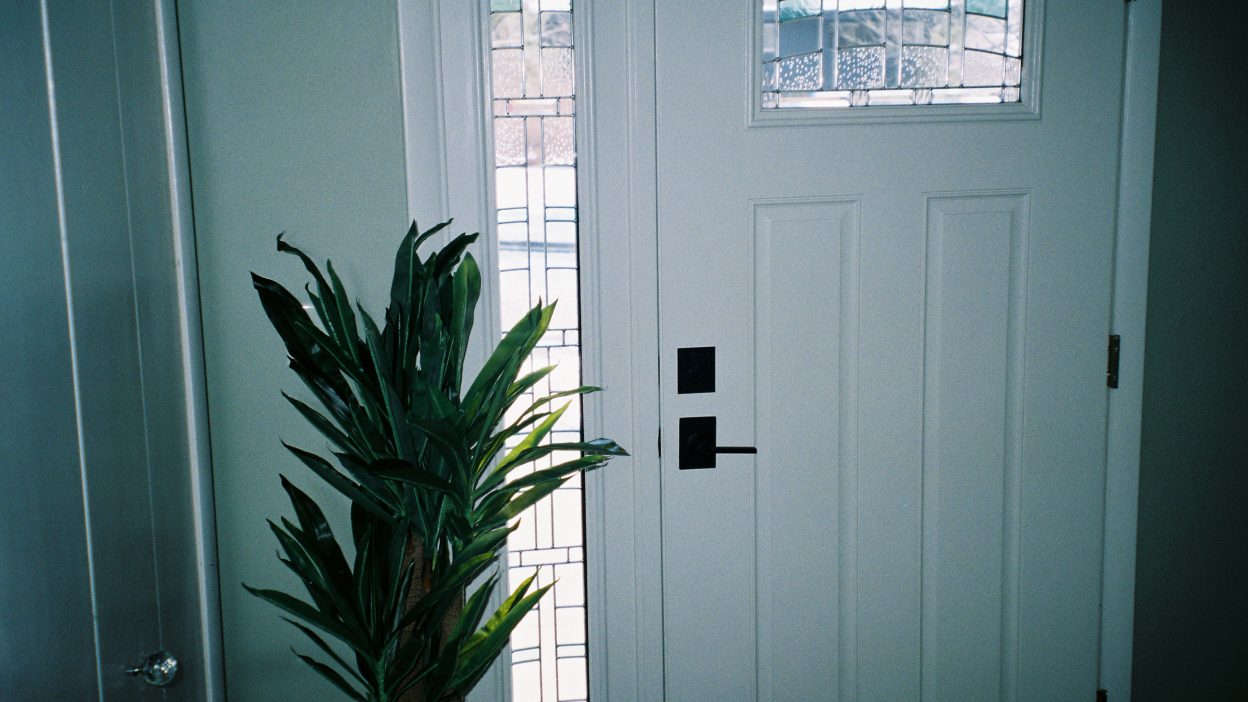
Fiberglass doors are engineered to mimic the look of real wood grain without the vulnerabilities. Many homeowners and even contractors find it difficult to distinguish a high-quality fiberglass door from a painted or stained wood door at first glance. The National Association of Home Builders (NAHB) notes that fiberglass doors have a significantly longer expected lifespan than wood doors in most residential applications.
Fiberglass vs. Steel
Steel doors offer strong security and are generally less expensive upfront than fiberglass. However, steel is susceptible to denting from physical impact and to rusting if the protective coating is scratched or compromised. Once rust takes hold, it spreads quickly and is difficult to reverse without professional intervention.
Fiberglass does not rust, does not dent as easily, and does not conduct heat and cold the way steel does. Steel doors can become extremely cold to the touch in winter and hot in summer, which affects both comfort and energy efficiency. Fiberglass maintains a more neutral surface temperature and provides better insulation values across the board.
For homeowners weighing upfront cost against long-term value, fiberglass often comes out ahead because it requires fewer repairs and less maintenance over its decades-long life.
Why Fiberglass Doors Are a Low-Maintenance Investment
The phrase “low maintenance” gets used loosely in the home improvement world, but with fiberglass doors it genuinely holds up. Here is why:
No painting required on a recurring schedule. Wood doors need repainting or restaining every few years to prevent moisture damage. Fiberglass doors come with factory-applied finishes that hold up far longer, and if a touch-up is ever needed, it is straightforward and inexpensive.
No rust or corrosion. Unlike steel, fiberglass is immune to rust. There is no need to monitor for surface scratches that could allow oxidation to start.
No warping or seasonal adjustments. Wood doors often need to be planed or their hinges adjusted as they swell and contract with the seasons. Fiberglass remains dimensionally stable, so the door fits the same in January as it does in August.
Easy to clean. A simple wipe-down with a damp cloth and mild detergent is enough to keep a fiberglass door looking clean and presentable. There are no special products or treatments required.
Long-lasting weatherstripping. Because fiberglass does not warp, the seal between the door and the frame stays consistent, meaning the weatherstripping does not experience the same irregular compression and wear that occurs with wood or steel doors that shift seasonally.
For a busy homeowner, the combination of these factors translates directly into time and money saved over the life of the door.
The Long-Term Value Equation
When evaluating whether a fiberglass door is worth the investment, it is important to think in terms of total cost of ownership rather than just the purchase price. A fiberglass door may cost more upfront than a basic steel door, but when you factor in lower maintenance costs, better energy efficiency, and a lifespan that can stretch to 50 years, the math often favors fiberglass by a wide margin.
Consumer Reports and similar consumer guides consistently rank fiberglass among the top materials for exterior doors when durability and energy performance are the primary criteria. Homeowners who install fiberglass doors frequently report that the doors still look and operate like new 15 or 20 years after installation, which is rarely said about steel or wood alternatives.
Additionally, fiberglass doors can contribute to improved home resale value. A front door is one of the first things a potential buyer sees, and a door that still looks attractive and functions properly after many years is an asset to any property.
Final Thoughts on Fiberglass Door Longevity
Choosing the right exterior door is a decision that will affect your home’s comfort, appearance, and energy bills for decades. Fiberglass doors deliver on the promise of long-term performance in a way that few other materials can match. With a lifespan of 30 to 50 years, minimal maintenance requirements, resistance to the elements, and strong insulating properties, they represent a genuinely smart investment for homeowners who are thinking beyond the short term.
If you are in the Westchester County, PA area and considering a door upgrade, connecting with a local roofing and exterior specialist who has experience with fiberglass door installation can help you select the right product for your home’s specific needs and climate exposure.
Frequently Asked Questions
1. How long does a fiberglass door typically last?
A high-quality fiberglass door can last anywhere from 30 to 50 years with proper installation and basic maintenance. Some manufacturers offer lifetime limited warranties, reflecting the material’s long-term durability.
2. Do fiberglass doors require a lot of maintenance?
No. Fiberglass doors are among the lowest-maintenance exterior door options available. They do not need regular repainting, do not warp with seasonal moisture changes, and do not rust. Occasional cleaning and periodic inspection of weatherstripping is typically all that is needed.
3. How does a fiberglass door compare to a wood door in terms of lifespan?
Wood doors generally last 20 to 30 years but require consistent maintenance including repainting or refinishing every few years to prevent moisture damage. Fiberglass doors outlast wood in most residential environments and require far less upkeep over their lifetime.
4. Can fiberglass doors look like real wood?
Yes. Many fiberglass doors are manufactured with textured surfaces that closely replicate the grain and appearance of natural wood. They can be stained or painted to match virtually any design aesthetic, making them a popular choice for homeowners who want the look of wood without the maintenance demands.
5. Are fiberglass doors energy efficient?
Yes. Fiberglass doors typically feature polyurethane foam cores that provide excellent thermal insulation. They outperform both hollow steel doors and solid wood doors in energy efficiency, helping to reduce heating and cooling costs throughout the year.
6. What causes a fiberglass door to wear out prematurely?
The most common causes of early wear are poor installation, prolonged UV exposure without protective finish, physical damage from impact, and neglected weatherstripping. Choosing a quality product, having it professionally installed, and performing simple annual inspections will help the door reach its full lifespan potential.