Most homeowners think about gutters only when something goes wrong. A leak here, a sag there, and suddenly water is pooling around the foundation. If you are wondering how long do gutters last in Cincinnati, OH, the answer depends heavily on the material, maintenance habits, and local weather conditions. This guide breaks down realistic lifespans by material type, the warning signs that replacement is overdue, and what you can do to get the most out of your current system. If your gutters are already showing serious wear, a professional gutter repair and installation service can assess whether repair or full replacement makes more sense for your home.
Why Gutter Lifespan Matters for Homeowners
Gutters are a first line of defense against water damage. When they fail, the consequences can be expensive: eroded landscaping, damaged siding, flooded basements, and cracked foundations. According to the Insurance Information Institute, water damage and freezing is one of the most common and costly homeowner insurance claims in the United States.
Understanding how long your gutters are designed to last allows you to plan ahead, budget for replacement, and avoid emergency situations that tend to cost far more than a scheduled install.
Average Gutter Lifespan by Material
Not all gutters are created equal. Here is a breakdown of the four most common gutter materials and how long each typically lasts under normal conditions.
Aluminum Gutters: 20 to 30 Years
Aluminum is by far the most popular gutter material in the United States, and for good reason. It is lightweight, rust-resistant, and available in a wide range of colors. Seamless aluminum gutters, which are cut on-site to fit your home exactly, can last toward the higher end of this range when properly maintained.
However, aluminum can dent from physical impact and may develop small cracks over time due to expansion and contraction from temperature swings. In climates like Cincinnati, where winters can be harsh and summers humid, expect to start seeing wear around the 20-year mark.
Vinyl Gutters: 10 to 20 Years
Vinyl gutters are the most affordable option and popular in DIY installations. They resist rust and corrosion and are easy to work with. The tradeoff is longevity. Vinyl becomes brittle in cold temperatures and can warp or crack when exposed to prolonged UV radiation. In northern climates with heavy snow and ice, vinyl gutters often fall short of the 20-year upper estimate.
If you have vinyl gutters installed within the last decade, they may still have years of life left. But if they are approaching the 15-year mark, it is worth having them inspected regularly.
Galvanized Steel Gutters: 20 to 25 Years
Galvanized steel gutters are stronger than aluminum and can handle heavy snow loads better than vinyl. They were widely installed in homes built before the 1990s. The major weakness is rust. The zinc coating that protects galvanized steel eventually wears away, and once rust sets in, deterioration can be rapid.
If you have an older home with original steel gutters, there is a reasonable chance they are approaching or past the end of their serviceable life. Regular painting and rust-inhibiting treatments can slow the process, but they cannot stop it indefinitely.
Copper Gutters: 50 to 100 Years
Copper gutters are the premium option in both price and longevity. When properly installed and maintained, copper can last a lifetime. It does not rust, and it develops a protective patina over time that actually strengthens the material against the elements.
The main barrier is cost. Copper gutters can cost three to four times more than aluminum. They are most commonly found on historic homes or high-end custom builds. If you have copper gutters, the investment is well worth protecting with regular cleaning and professional inspections.
5 Warning Signs It Is Time to Replace Your Gutters
Even within the expected lifespan ranges above, gutters can fail early due to installation errors, lack of maintenance, or storm damage. Here are five signs that replacement may be necessary regardless of age.
1. Sagging or Pulling Away from the Fascia
Gutters should sit flush against the roofline. If sections are visibly sagging or have pulled away from the fascia board, the hangers have likely failed. While individual hangers can sometimes be replaced, widespread sagging often indicates the gutter system as a whole has weakened and may need full replacement.
2. Visible Rust, Cracks, or Holes
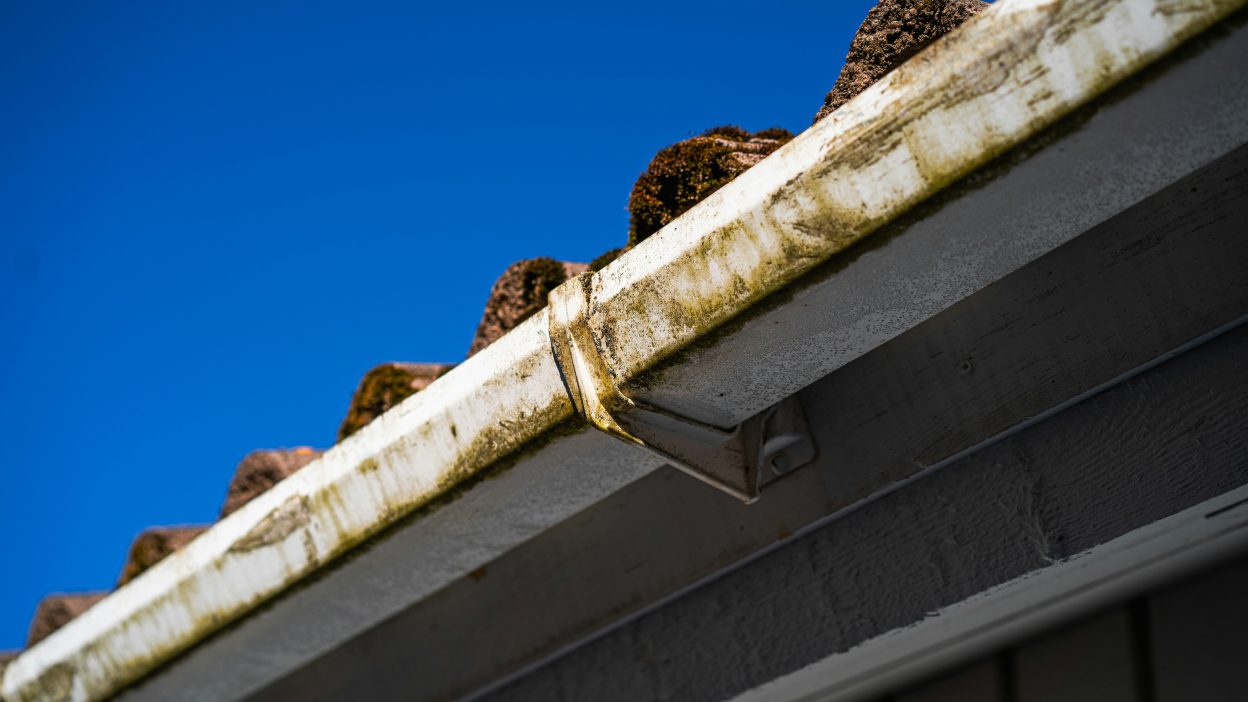
Surface rust on steel gutters or visible cracks in vinyl are signs that the material has started to break down. Small holes can be patched temporarily, but if damage is widespread, patching becomes a losing battle. Water escaping through cracks and holes will cause damage to your siding, soffit, and foundation over time.
3. Water Pooling Around the Foundation
If you notice standing water near your home’s foundation after a rainstorm, your gutters may not be channeling water away from the structure effectively. This can result from clogs, slope issues, or gutters that have shifted out of alignment. Foundation water intrusion is a serious problem. The American Society of Home Inspectors identifies poor drainage as one of the leading contributors to foundation damage in residential properties.
4. Peeling Paint or Water Stains on Siding
Paint should not peel near your gutters under normal circumstances. If it is, that suggests water is regularly overflowing or leaking out of the gutters and running down the side of your home. Water staining on exterior siding is another sign that gutters are not doing their job properly.
5. Frequent Overflows During Normal Rainfall
If gutters overflow during moderate rain events, they are either clogged, undersized, or have developed low spots that prevent proper drainage. While cleaning may resolve clog-related overflows, persistent overflow points to a structural issue that likely requires professional evaluation.
Why Seamless Gutters Last Longer
Most traditional gutters come in sections that are joined together during installation. These seams are a vulnerability. Over time, the sealant at each joint can dry out, allowing water to leak through. Debris also tends to accumulate at seams, accelerating corrosion.
Seamless gutters are fabricated from a single continuous piece of material cut to the exact length of each run on your home. Because there are no joints except at the corners and downspout connections, there are far fewer places for leaks to develop. According to Bob Vila’s home improvement resources, seamless gutters are estimated to account for roughly 70 percent of gutter installations in the US because of their superior performance and reduced maintenance needs.
If you are replacing sectional gutters, strongly consider upgrading to a seamless system. The upfront cost difference is modest compared to the extended lifespan and reduced repair calls.
How Regular Cleaning Extends Any Gutter’s Life
No matter what material your gutters are made from, cleaning is the single most impactful maintenance step you can take. Gutters clogged with leaves and debris hold standing water, which accelerates rust in steel, warps vinyl, and stresses the fasteners holding any gutter in place.
The general recommendation from roofing professionals is to clean gutters at least twice a year, once in late spring after seed and pollen season, and once in late fall after the leaves have dropped. Homes surrounded by trees may need more frequent cleaning, sometimes three or four times per year.
A few additional maintenance habits that extend gutter life include:
- Inspecting gutters after major storms for dents, displaced sections, or new leaks
- Checking downspout extensions to confirm water is being directed at least three to four feet away from the foundation
- Resealing joints on sectional gutters every few years as the original sealant ages
- Flushing gutters with a hose after cleaning to confirm proper flow and identify low spots
Gutter guards can also reduce the frequency of cleaning needed, though they are not a substitute for periodic inspection. The Family Handyman offers a solid comparison of gutter guard types for homeowners looking to reduce maintenance demands.
Budgeting for Gutter Replacement: What to Expect
Knowing your gutter material and its age puts you in a strong position to plan financially. A rough planning framework:
- Vinyl gutters older than 15 years: start budgeting for replacement within the next few years
- Aluminum gutters approaching 20 years: schedule a professional inspection to assess condition
- Steel gutters showing any rust: get a professional opinion soon, rust spreads quickly
- Copper gutters at any age: focus on maintenance; replacement should be decades away if properly cared for
Replacement costs vary by region, home size, and material chosen. Getting multiple quotes from local contractors allows for accurate budgeting. In the Cincinnati area, local gutter professionals can assess whether a full replacement or targeted repairs make more sense for your specific situation.
Wrapping Up: Making Smart Decisions About Your Gutters
Understanding the lifespan of your gutters by material is one of the most practical things a homeowner can do to protect their property. Aluminum gutters give you 20 to 30 years, vinyl falls in the 10 to 20 year range, galvanized steel runs 20 to 25 years, and copper can last a century with proper care. Beyond the numbers, the five warning signs covered here, including sagging, rust, foundation pooling, peeling paint, and overflow problems, give you real-world indicators that your system may be failing ahead of schedule.
Seamless gutters outperform sectional systems because they eliminate the weak points where leaks typically begin. And regardless of material, regular cleaning and minor maintenance will always extend gutter life and help you avoid costly water damage to your home’s structure.
If you are unsure about the current condition of your gutters or want an expert opinion, connecting with a local gutter installation and repair specialist in Cincinnati can give you a clear picture of where your system stands and what options make sense for your budget and your home.
Frequently Asked Questions
Q: How long do gutters last on average? A: The average lifespan depends on the material. Vinyl gutters typically last 10 to 20 years, aluminum 20 to 30 years, galvanized steel 20 to 25 years, and copper gutters can last 50 to 100 years with proper maintenance.
Q: What is the most durable gutter material? A: Copper is the most durable gutter material available, with a potential lifespan exceeding 50 years. However, it is also the most expensive. For most homeowners, seamless aluminum offers the best balance of durability, cost, and longevity.
Q: Can gutters be repaired instead of replaced? A: Yes, in many cases targeted repairs are a cost-effective solution. Small cracks, loose hangers, and minor leaks at seams can often be fixed without a full replacement. However, if gutters are showing widespread rust, sagging across multiple sections, or are past their expected lifespan, replacement is typically more economical in the long run.
Q: How often should gutters be cleaned? A: Most roofing professionals recommend cleaning gutters at least twice a year, in late spring and late fall. Homes with heavy tree coverage may require cleaning three to four times annually. Regular cleaning prevents the buildup that leads to premature wear and water damage.
Q: Do seamless gutters really last longer than sectional gutters? A: Generally, yes. Seamless gutters have fewer joints, which means fewer points where leaks can develop. They also tend to have less debris accumulation since there are no seam edges to catch leaves and twigs. Over time, this translates to less corrosion, fewer repairs, and a longer serviceable life compared to sectional systems.
Q: What happens if gutters are not replaced when needed? A: Failing gutters allow water to run unchecked down the side of your home and pool around the foundation. Over time this can cause wood rot in the fascia and soffit, damage to siding and exterior paint, basement water intrusion, soil erosion around the foundation, and in serious cases, structural damage to the foundation itself. Early replacement is almost always less expensive than repairing the water damage that results from ignoring worn gutters.