When homeowners in Cincinnati begin exploring siding upgrades, one of the first questions that comes up is how long the material will actually hold up. The James Hardie siding lifespan in Cincinnati, OH is one of the most compelling reasons homeowners choose this product over wood, vinyl, or other competing materials. Made from fiber cement, a proprietary blend of Portland cement, sand, and cellulose fibers, James Hardie siding is engineered for long-term durability in a wide range of climates. Understanding exactly how long it lasts, what affects that lifespan, and what role installation plays can help homeowners make a more confident, well-informed decision before committing to the investment. If you are evaluating your options, James Hardie siding is a product that deserves a close look for its performance and longevity.
The Average Lifespan of James Hardie Siding
James Hardie siding is widely recognized for having one of the longest lifespans among residential siding materials available today. Under normal conditions and with proper upkeep, fiber cement siding from James Hardie can last anywhere from 30 to 50 years, and in many well-maintained cases even longer. The company itself backs this confidence with a 30-year limited transferable warranty on the product, which speaks to the material’s durability over the long haul. This stands in sharp contrast to vinyl siding, which typically lasts 20 to 30 years, and wood siding, which can deteriorate significantly faster without consistent maintenance. For homeowners who plan to stay in their homes for decades or want to increase resale value, the lifespan alone makes James Hardie siding a serious contender.
It is also worth noting that the transferable nature of the warranty adds a layer of financial protection when selling the home. A buyer inheriting a relatively new James Hardie installation benefits from the remaining warranty coverage, which can make the property more attractive in a competitive real estate market. When you account for that long-term value, the upfront cost starts to look far more reasonable compared to shorter-lived alternatives. According to Forbes Home, fiber cement siding is consistently rated among the most durable and low-maintenance options available to homeowners. The combination of warranty protection and proven durability makes this siding a reliable long-term investment.
What Affects the Lifespan of James Hardie Siding
While the material itself is built to last, several external and environmental factors can either extend or shorten how long your James Hardie siding performs at its best. Understanding these variables helps homeowners take a proactive approach rather than a reactive one.
Climate and Weather Exposure
Cincinnati and the surrounding Ohio region experience a full spectrum of weather throughout the year, from humid summers to freezing winters and everything in between. James Hardie siding is specifically engineered to handle these conditions, resisting warping, cracking, swelling, and rotting that commonly plague wood-based products in high-moisture environments. The fiber cement composition does not absorb water the way wood does, which is a major advantage in regions with significant rainfall and freeze-thaw cycles. Extreme UV exposure over time can cause paint to fade, but this can be managed through proper painting and repainting schedules. Overall, the material’s design accounts for the types of weather stress most homeowners in the Midwest will encounter over decades of use.
That said, homes in particularly harsh coastal environments or areas with heavy industrial pollution may see slightly accelerated wear on the paint finish. This does not typically affect the structural integrity of the siding itself, but it does underscore the importance of periodic inspections. Homeowners who stay ahead of surface maintenance will consistently see better long-term performance from their James Hardie installation. According to This Old House, fiber cement siding performs exceptionally well in climates with extreme temperature variation, which makes it a strong choice for the Cincinnati area.
Maintenance Practices
One of the most significant advantages of James Hardie siding is its relatively low maintenance requirements when compared to traditional wood siding. However, “low maintenance” does not mean “no maintenance,” and homeowners who treat it as completely maintenance-free may find themselves dealing with avoidable issues down the line. The primary maintenance task involves inspecting the painted surface every five to ten years and repainting when necessary to keep moisture out and maintain the appearance of the home. Caulking around windows, doors, and joints should also be inspected annually and replaced wherever cracking or separation is evident. Keeping the surface clean by rinsing it with a garden hose periodically helps prevent dirt and mildew buildup, which can affect both the appearance and longevity of the material.
Additionally, homeowners should trim any tree branches or shrubs that make direct contact with the siding, as repeated abrasion can wear down the paint and eventually the surface of the board. Gutters should be kept clear and functional to prevent water from overflowing and running directly against the siding for extended periods. These are relatively simple steps, but they compound over time and can make a meaningful difference in how long the siding looks and performs. Treating your James Hardie siding with the same attentiveness you would give any major home investment will maximize the return you see over its lifetime.
How Professional Installation Impacts Long-Term Performance
The material quality of James Hardie siding is well established, but it is only half of the equation. How the siding is installed plays an equally important role in determining how long it performs and whether the warranty remains valid. James Hardie actually requires installation by qualified professionals to honor the full terms of their product warranty, which is a detail many homeowners overlook when considering a DIY approach.
Why Proper Installation Matters
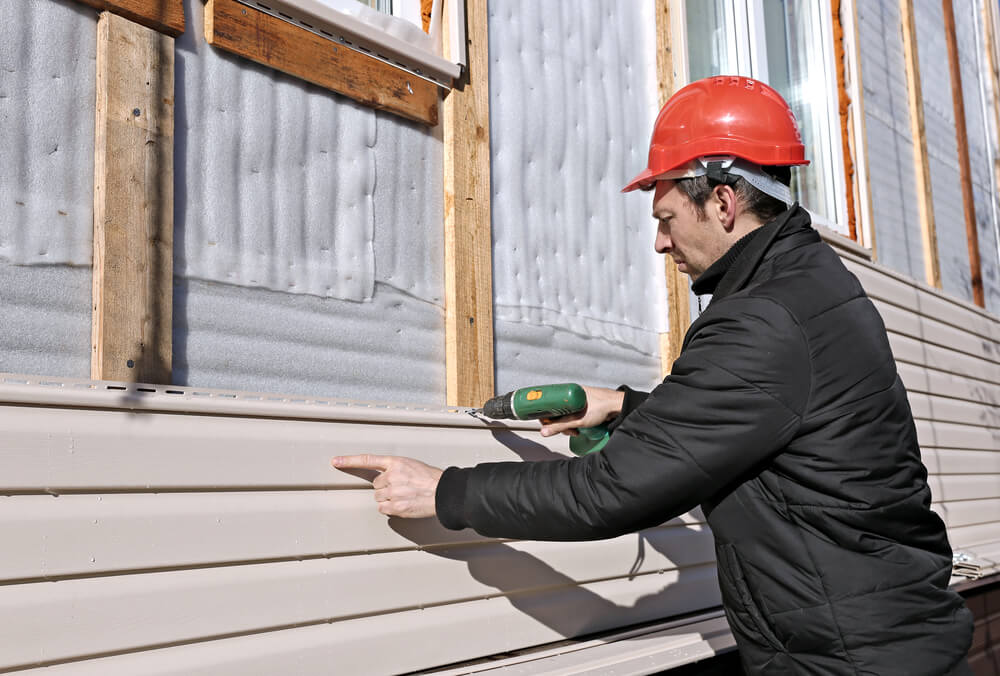
Fiber cement siding is heavier and more technically demanding to install than vinyl, which means that cutting corners during installation can lead to problems that compound over time. Improperly nailed boards, inadequate clearance from the ground or roofline, insufficient flashing around windows and doors, and gaps in caulking are among the most common installation errors that lead to premature failure. Water intrusion is the primary enemy of any siding system, and the goal of a proper installation is to create a continuous, watertight barrier that directs moisture away from the wall assembly. When boards are nailed too tightly or too loosely, or when the required clearances from grade are not maintained, moisture can find pathways into the wall system and cause damage long before the siding itself would otherwise wear out.
A licensed and experienced siding contractor understands not just how to hang the boards but how to integrate the entire system, including house wrap, flashing, trim, and caulking, into a cohesive water management strategy. This level of technical knowledge comes from training and hands-on experience that cannot be replicated by reading instructions on a Saturday afternoon. Homeowners who invest in professional installation from the start are far less likely to encounter warranty disputes, callback issues, or structural damage related to moisture intrusion. The James Hardie HardieZone system even tailors product recommendations to regional climate conditions, and a qualified installer will know which products are appropriate for the specific demands of the Cincinnati area.
Choosing the Right Contractor
Not all siding contractors are equally qualified to work with fiber cement, and doing your homework before hiring is time well spent. Look for contractors who have experience specifically with James Hardie products and who can demonstrate completed projects in your area. Asking for references, checking licensing and insurance credentials, and requesting a detailed written estimate are all standard steps in evaluating a siding contractor. A trustworthy professional will take the time to explain the installation process, review the warranty terms with you, and communicate clearly about timelines and material requirements. Homeowners in the Cincinnati area can explore verified local options by searching for experienced siding specialists near them.
Is James Hardie Siding Worth the Investment?
The honest answer is that James Hardie siding typically costs more upfront than vinyl siding and is comparable to or slightly above premium wood siding in terms of material costs. However, when you factor in its 30 to 50-year lifespan, minimal maintenance requirements, resistance to insects and rot, and the value it adds to a home’s resale appeal, the cost-per-year calculation shifts significantly in its favor. According to Remodeling Magazine’s Cost vs. Value Report, fiber cement siding consistently ranks among the top home improvement projects for return on investment, often recouping 70% or more of the project cost at resale. Homeowners who plan to stay in their homes for 10 years or more are especially well positioned to benefit from this investment.
Beyond the financial calculation, there is also practical value in simply not having to think about your siding for decades at a time. The peace of mind that comes with a durable, well-installed, low-maintenance exterior is worth something that numbers alone do not capture. James Hardie siding offers a combination of long-term performance, aesthetic versatility, and investment return that few competing products can match.
Final Thoughts on James Hardie Siding Longevity
James Hardie siding stands out as one of the most durable and reliable siding options available for residential homes, and its long lifespan is one of the primary reasons homeowners continue to choose it over other materials. With proper maintenance, a suitable climate, and most importantly, professional installation, homeowners can reasonably expect their fiber cement siding to perform beautifully for 30 to 50 years or beyond. The investment is not just in the material itself but in the expertise that goes into applying it correctly and maintaining it over time. When all three factors, quality material, consistent maintenance, and skilled installation, work together, James Hardie siding delivers exceptional long-term value that justifies its cost for most homeowners.
Frequently Asked Questions
Q: How long does James Hardie siding last on average? James Hardie siding is designed to last between 30 and 50 years under normal conditions with regular maintenance. The company supports this with a 30-year limited transferable warranty on most products. Homes in favorable climates with proper upkeep may see the siding perform well beyond the 50-year mark.
Q: Does James Hardie siding require a lot of maintenance? Compared to wood siding, James Hardie siding requires significantly less maintenance. The primary tasks involve inspecting and repainting the surface every five to ten years, recaulking joints and seams as needed, and keeping the surface clean of dirt and mildew. These are relatively straightforward tasks that help preserve both the appearance and structural integrity of the installation.
Q: Can weather affect how long James Hardie siding lasts? Yes, climate and weather exposure play a meaningful role in siding longevity, though James Hardie products are specifically engineered to handle a wide range of conditions. In regions like Cincinnati that experience hot summers, cold winters, and frequent rain, the fiber cement composition resists warping, swelling, rotting, and insect damage better than wood or vinyl alternatives. The paint finish may require more frequent attention in areas with intense UV exposure or high humidity, but the core material holds up well across climates.
Q: Why does professional installation matter for James Hardie siding? Professional installation matters because fiber cement is a technically demanding material that requires proper nailing, spacing, flashing, and caulking to perform as intended. Errors during installation can create pathways for moisture intrusion, which undermines the long-term durability of the siding. James Hardie also requires professional installation to honor the full terms of their product warranty, making it essential for homeowners who want to protect their investment.
Q: Is James Hardie siding worth the higher upfront cost compared to vinyl? For most homeowners, yes. While James Hardie siding typically costs more upfront than vinyl, its significantly longer lifespan, lower long-term maintenance costs, and strong resale value contribution make it a more cost-effective choice over the life of the home. Industry data consistently shows fiber cement siding among the top-performing home improvement investments in terms of return on investment at resale.