If you own or manage a commercial property, one question that will inevitably come up is: how often should a commercial roof be replaced in your area? Whether you are overseeing a warehouse in the Midwest, a retail strip mall in the Southeast, or an office building in the Pacific Northwest, understanding your roof’s expected lifespan is a critical part of protecting your investment. A timely commercial roof repair can often push back the need for a full replacement by years, saving you significant capital in the short term.
This guide breaks down the typical lifespans of the most common commercial roofing systems, the factors that influence how quickly a roof deteriorates, and how a proactive maintenance strategy can delay costly replacements.
Average Lifespan of Different Commercial Roofing Systems
Not all commercial roofs are created equal. The material used plays the single biggest role in determining how long a roof will last before it needs full replacement. Here is a look at the most common systems and their general expected lifespans.
TPO (Thermoplastic Polyolefin) Roofing
TPO is one of the most widely used single-ply membrane systems in commercial construction today. It is valued for its energy efficiency, reflective surface, and relatively affordable installation cost. A properly installed and maintained TPO roof typically lasts between 15 and 25 years. However, seam failures and membrane punctures are common issues that, if caught early, can be repaired without triggering a full replacement.
EPDM (Ethylene Propylene Diene Monomer) Roofing
EPDM, sometimes called “rubber roofing,” is known for its durability and flexibility in extreme temperatures. According to the National Roofing Contractors Association (NRCA), EPDM systems generally have a lifespan of 20 to 30 years when properly maintained. The material holds up well against UV exposure but is vulnerable to punctures from foot traffic or falling debris.
Built-Up Roofing (BUR)
Built-up roofing consists of multiple alternating layers of bitumen and reinforcing fabrics, finished with a gravel or mineral surface. BUR systems have been used for over a century and are well known for their durability. A well-maintained BUR roof can last anywhere from 20 to 30 years, and in some cases longer, depending on the number of plies and the quality of the original installation.
Modified Bitumen Roofing
Modified bitumen is a close relative of BUR but uses polymer-modified asphalt in a single or two-ply application. It is particularly popular for low-slope commercial roofs. The typical lifespan ranges from 15 to 25 years, though torch-applied systems tend to perform at the higher end of that range when properly installed.
Metal Roofing
Standing seam metal roofing is arguably the longest-lasting commercial roofing option available. Galvanized steel, aluminum, and copper systems can easily last 40 to 60 years or longer with minimal maintenance. The higher upfront cost is often offset by the dramatically reduced replacement frequency over the life of a building.
PVC (Polyvinyl Chloride) Roofing
PVC roofing membranes offer strong chemical resistance, making them popular for restaurants and facilities that produce cooking grease or chemical exhaust. A quality PVC installation typically lasts between 20 and 30 years.
Factors That Affect How Often a Commercial Roof Needs Replacement
Even within the same roofing system category, two identical roofs can have dramatically different lifespans depending on several variables. Understanding these factors helps building owners set realistic expectations and plan ahead.
Climate and Weather Exposure
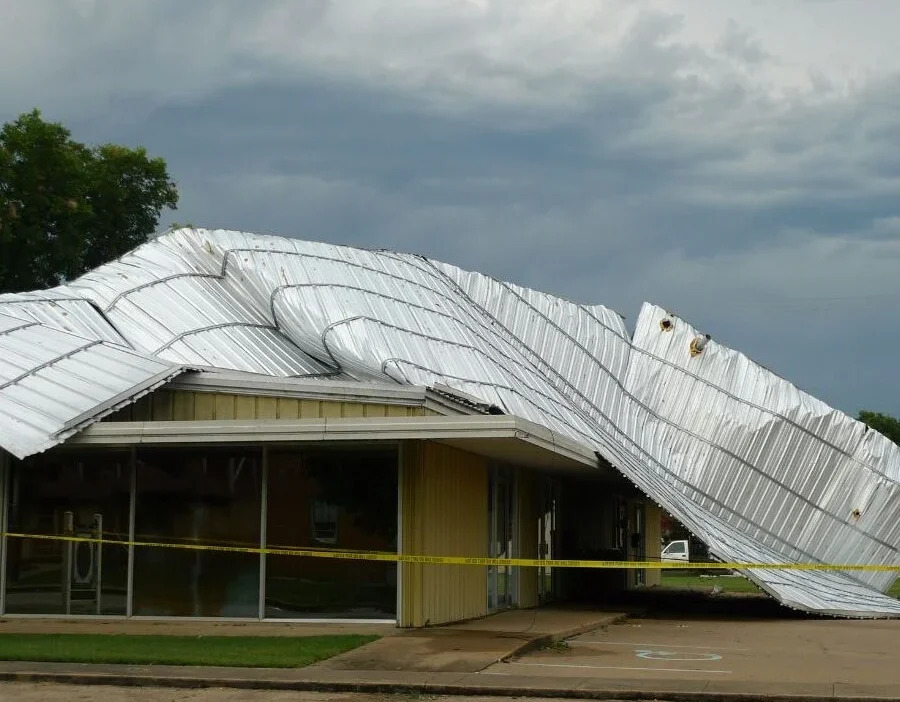
The local climate is one of the most significant variables affecting roof lifespan. Roofs in regions with high UV exposure, frequent freeze-thaw cycles, heavy snowfall, or intense hailstorms will age faster than those in milder climates. According to the Insurance Institute for Business and Home Safety (IBHS), hail and wind damage are among the leading causes of premature commercial roof failure in the United States.
Quality of the Original Installation
No matter how good a roofing material is, poor workmanship during installation will shorten its life significantly. Inadequate seam welding on TPO or EPDM, improper flashing installation around rooftop equipment, or insufficient adhesion on modified bitumen are all common installation errors that lead to early failures.
Roof Slope and Drainage Design
Flat and low-slope roofs are common in commercial construction, but they are also more prone to ponding water. Standing water accelerates membrane degradation and adds significant structural load. A roof with poorly designed drains or inadequate slope will age faster than one with an efficient drainage system.
Rooftop Equipment and Foot Traffic
HVAC units, exhaust vents, satellite dishes, and other rooftop equipment create penetrations that are vulnerable to leaks. Frequent maintenance visits involving foot traffic can also cause punctures and abrasion damage over time. Installing walkway pads in high-traffic areas and ensuring all rooftop equipment is properly flashed can significantly reduce wear.
Building Use and Interior Conditions
The type of business operating inside a building can affect the roof from the inside out. Facilities with high humidity, such as industrial laundries or commercial kitchens, can experience condensation-related damage to the roof deck if the vapor barrier is inadequate. A compromised roof deck may require replacement even when the exterior membrane still appears functional.
How Regular Repairs and Maintenance Can Delay Full Replacement
One of the most financially impactful decisions a commercial property owner can make is committing to a regular roof maintenance program. Industry data consistently shows that proactive maintenance extends commercial roof life by a substantial margin compared to a “repair as needed” approach.
Annual Inspections Are Critical
The Building Owners and Managers Association (BOMA) recommends that commercial roofs be inspected at least twice per year, typically in the spring and fall. These inspections allow roofing professionals to identify small issues such as membrane blisters, minor flashing separations, or clogged drains before they develop into major failures. A small repair addressed promptly may cost a few hundred dollars. Left unattended, the same issue could lead to interior water damage and a full replacement costing tens of thousands of dollars.
After-Storm Assessments
Any significant weather event, including hailstorms, high winds, or heavy snow, warrants a prompt roof inspection. Impact damage may not be immediately visible from the ground but can create vulnerabilities that lead to leaks within months.
Coating Systems Can Extend Membrane Life
Roof coatings, including silicone, acrylic, and polyurethane formulas, can be applied to aging single-ply and BUR systems to restore reflectivity, seal minor surface cracks, and add an additional layer of waterproofing. A quality coating application can add 5 to 10 years to an existing roof’s functional life, often at a fraction of the cost of full replacement. This is a widely recognized strategy in the commercial roofing industry for maximizing return on investment.
Keeping Records of Repairs and Inspections
Maintaining a written log of all inspections, repairs, and maintenance work performed on a commercial roof is a smart practice that pays dividends. This documentation helps roofing professionals understand the full history of the system, makes it easier to diagnose recurring issues, and can be valuable when filing insurance claims or negotiating a building sale.
What Are the Signs That a Commercial Roof Needs Replacement Rather Than Repair?
Sometimes repairs are no longer the right answer, and a full replacement is necessary. Key indicators include persistent interior leaks that return shortly after being repaired, widespread membrane shrinkage or cracking, significant ponding water that cannot be corrected with drainage improvements, visible sagging or structural deflection, and extensive storm damage that affects a large percentage of the roof surface. If a roof has already had multiple significant repairs within a short period, a professional evaluation is warranted to assess whether continued investment in repairs makes economic sense compared to replacement.
You can also find trusted local roofing professionals on Google Maps to get an in-person evaluation of your commercial roof’s current condition.
Final Thoughts on Commercial Roof Replacement Timelines
Commercial roof replacement is not a one-size-fits-all schedule. The right answer depends on the roofing system in place, the local climate, the building’s use, and most importantly, how well the roof has been maintained over its life.
As a general framework:
- TPO and modified bitumen roofs should be evaluated around the 15-year mark
- EPDM, BUR, and PVC systems typically warrant evaluation between 20 and 25 years
- Metal roofs may not need replacement consideration until well past 40 years
In every case, working with a qualified roofing contractor to conduct regular inspections and timely repairs is the single most effective strategy for maximizing a commercial roof’s useful life and protecting the building and its occupants.
Frequently Asked Questions
Q1: How often should a commercial roof be inspected? Most roofing industry professionals and organizations recommend commercial roofs be inspected a minimum of twice per year, typically in spring and fall. Additional inspections are advisable after major weather events such as hailstorms, high winds, or heavy snowfall.
Q2: Can a commercial roof be repaired instead of replaced? In many cases, yes. Localized damage such as membrane punctures, seam failures, and flashing issues can often be repaired effectively, especially if the underlying roof deck is structurally sound. However, if damage is widespread or the roof has surpassed its expected service life, replacement may be more cost-effective than continued repairs.
Q3: What is the most durable commercial roofing material? Metal roofing systems, particularly standing seam designs, are generally considered the most durable commercial option with lifespans of 40 to 60 years or more. EPDM and PVC membranes are also known for their long-term performance when properly maintained.
Q4: How does roof coating affect replacement timelines? Roof coatings can meaningfully extend the service life of an aging commercial roof by sealing surface cracks, restoring waterproofing capability, and improving energy efficiency. Depending on the product and the condition of the existing membrane, coatings can add anywhere from 5 to 10 additional years before replacement becomes necessary.
Q5: What factors most shorten a commercial roof’s lifespan? The most common causes of premature commercial roof failure include poor original installation workmanship, lack of routine maintenance, severe weather exposure, inadequate drainage leading to ponding water, and damage caused by rooftop equipment or excessive foot traffic. Addressing these factors proactively through regular inspections and repairs is the best way to protect the full lifespan of any commercial roofing system.