A burst pipe is one of the most stressful plumbing emergencies a homeowner can face. Water can pour into walls, floors, and ceilings within minutes, causing thousands of dollars in damage if left unaddressed. Understanding the cost to fix a burst pipe in your area, along with what steps to take immediately, can help you act fast and avoid overpaying for repairs. Whether you are dealing with a small pinhole leak or a fully ruptured pipe, this guide walks you through realistic pricing, key cost factors, and how licensed emergency plumbers handle these situations safely and efficiently.
Average Cost to Repair a Burst Pipe
The national average cost to repair a burst pipe typically falls between $150 and $2,000, with most homeowners paying somewhere in the $400 to $1,500 range for standard repairs. However, more severe cases involving extensive water damage, inaccessible pipe locations, or full pipe replacements can push costs well beyond that.
Here is a general breakdown of what you can expect to pay depending on the type of repair:
- Minor patch or clamp repair: $150 to $350
- Section pipe replacement (accessible area): $300 to $800
- Full pipe replacement (behind walls or under floors): $800 to $2,500+
- Emergency after-hours service call: Additional $100 to $300 on top of repair costs
- Water damage remediation (if applicable): $1,000 to $5,000+ depending on severity
These figures can vary considerably based on your location, the plumber you hire, and the specifics of your situation. According to HomeAdvisor, the average cost to repair a broken pipe sits around $500, though complex jobs regularly exceed $1,000.
Factors That Influence the Cost
Several variables affect how much you will pay to fix a burst pipe:
1. Location of the Pipe Pipes that are easy to access, such as those under a sink or in a utility room, cost far less to repair than pipes buried behind drywall, inside concrete slabs, or under landscaping. When a plumber has to open walls, jackhammer concrete, or excavate soil, labor costs rise significantly.
2. Pipe Material Older homes may have galvanized steel, cast iron, or even lead pipes. These materials are harder to work with and often require full replacement rather than patching. Copper and PEX (cross-linked polyethylene) pipes are easier and less costly to repair.
3. Extent of Damage A small crack from a freeze-thaw cycle is far simpler to fix than a pipe that has burst along a long seam or caused water to spread throughout a wall cavity. The larger the rupture, the more pipe must be replaced.
4. Time of Service Emergency calls made on nights, weekends, or holidays typically carry surcharges. If you can safely contain the situation and wait until regular business hours, you may save $100 to $300 on the service call fee alone.
5. Local Labor Rates Plumbing rates vary by region. Urban areas and high cost-of-living cities generally charge more per hour than rural areas. Plumbers in major metro regions may charge $75 to $150 per hour, while rates in smaller markets can be closer to $45 to $80 per hour.
6. Permit Requirements In some jurisdictions, a permit is required for pipe replacement, especially for larger jobs or work done on supply lines. Permits add to the cost but also ensure the work is inspected and up to code.
Immediate Steps to Take Before the Plumber Arrives
When a pipe bursts, every minute counts. The actions you take in the first 15 to 30 minutes can mean the difference between a $500 repair and a $5,000 water damage restoration project.
1. Shut Off the Main Water Supply
Locate your home’s main water shutoff valve and turn it off immediately. This valve is typically found near the water meter, in the basement, or inside a utility closet. Turning it off stops water from continuing to flow through the broken pipe.
2. Turn Off Your Water Heater
If your main water supply is off, the water heater can overheat or build up pressure. Switch it to the off or pilot setting to avoid secondary damage.
3. Open Faucets to Relieve Pressure
After shutting off the main valve, open cold water faucets throughout the house to drain the remaining water from pipes. This relieves pressure and reduces the amount of water that might still leak out.
4. Document the Damage
Take photos and videos of the burst pipe and any water damage for insurance purposes. Most homeowner’s insurance policies cover sudden and accidental water damage caused by a burst pipe, according to the Insurance Information Institute.
5. Remove Standing Water
Use towels, mops, or a wet-dry vacuum to remove as much water as possible from floors and surfaces. The faster you extract water, the lower your risk of mold growth, which can begin within 24 to 48 hours.
6. Apply a Temporary Patch if Safe to Do So
Hardware stores sell pipe repair clamps and epoxy putty that can be used to slow or stop a leak temporarily. These are not permanent solutions, but they can buy time until a professional arrives.
How Professional Emergency Plumbers Repair Burst Pipes
When a licensed plumber arrives at your home, they follow a systematic process to assess, contain, and resolve the problem safely.
Initial Assessment
The plumber will inspect the burst pipe to determine the extent of the damage, identify the cause (freezing temperatures, corrosion, high water pressure, tree root intrusion), and assess whether nearby pipes are at risk of the same issue.
Turning Off and Draining Lines
Even if you have already shut off the main supply, the plumber will verify the lines are fully drained before beginning any repair work.
Cutting Out the Damaged Section
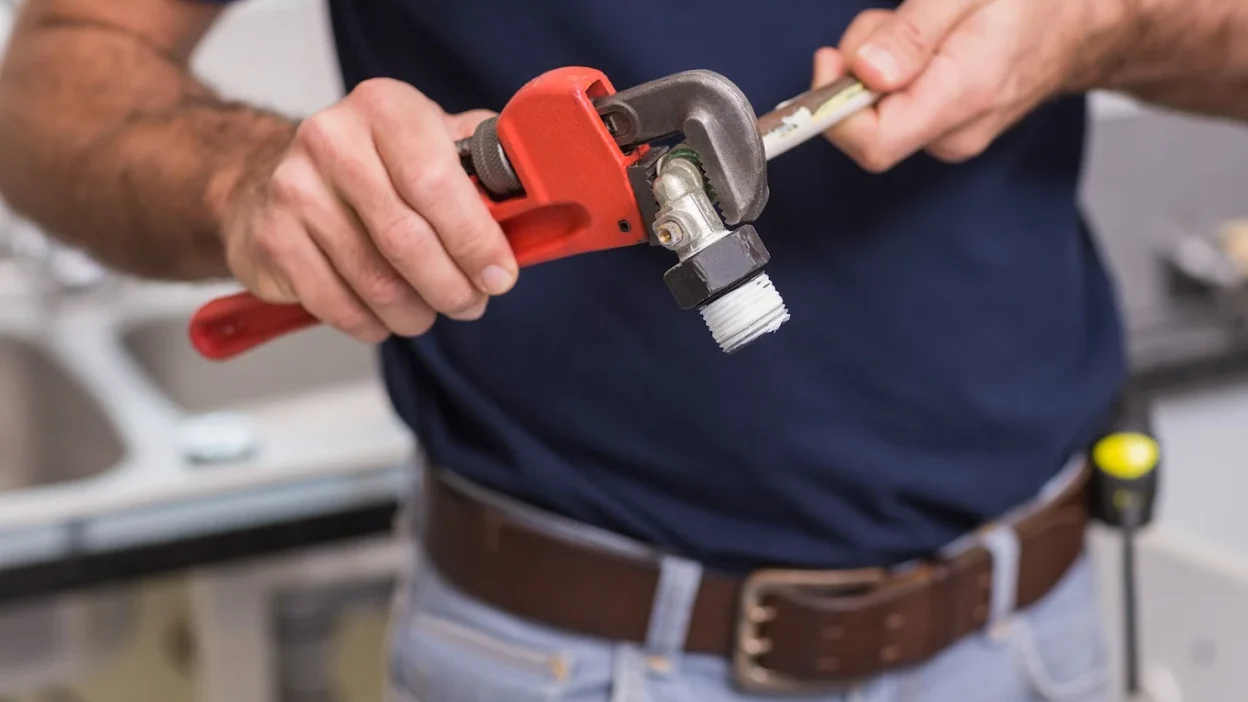
For most burst pipe repairs, the plumber will cut out the damaged section of pipe using a pipe cutter or reciprocating saw. The amount removed depends on how far the crack or rupture extends.
Installing the Replacement Section
A new section of pipe matching the diameter and material of the existing system is fitted and soldered, crimped, or glued in place depending on the pipe type. Plumbers may use couplings, compression fittings, or push-fit connectors depending on the situation and local code requirements.
Testing for Leaks
After the repair is complete, the main water supply is turned back on and the plumber inspects all connections under pressure to confirm there are no residual leaks.
Preventive Recommendations
A good plumber will not just fix the immediate problem. They will also advise on steps to prevent future burst pipes, including insulating exposed pipes in cold areas, installing a pressure regulator if water pressure is too high, or replacing aging pipe sections that show signs of corrosion.
To find qualified help available around the clock, search for local emergency plumbing services in your area with strong reviews and verified licensing.
Tips for Keeping Repair Costs Down
Even in an emergency, there are ways to manage the cost of a burst pipe repair without cutting corners on quality.
- Get multiple quotes when possible, even during emergencies. Some plumbers offer free estimates over the phone based on your description.
- Check your homeowner’s insurance before paying out of pocket. Many policies cover sudden pipe bursts, though they may not cover gradual leaks or maintenance-related failures.
- Ask about financing options. Many licensed plumbing companies offer payment plans for larger jobs.
- Avoid DIY repairs on supply lines. While temporary patches are fine in a pinch, improper pipe repairs can void warranties, fail inspections, or lead to bigger leaks down the road.
- Schedule a plumbing inspection annually to catch vulnerable pipes before they become an emergency. Preventive maintenance is far cheaper than emergency repair.
Final Thoughts: What Every Homeowner Should Know
Dealing with a burst pipe is never a pleasant experience, but understanding the cost landscape and having a clear action plan can make the situation far less overwhelming. The cost to fix a burst pipe depends heavily on where the pipe is located, how severe the damage is, and when you call for service. Acting quickly to shut off your water supply and document the damage puts you in a much stronger position, both in terms of limiting repair costs and navigating an insurance claim.
The most important step you can take is working with a licensed, insured professional who can properly diagnose the problem, carry out code-compliant repairs, and help protect your home from future incidents. A reputable emergency plumber will not just patch the immediate break but will also take a broader look at your plumbing system to ensure you are not at risk for more problems down the road.
Frequently Asked Questions
Q1: How long does it take to fix a burst pipe? Most straightforward burst pipe repairs take between one and three hours. More complex jobs involving wall or slab access can take a full day or longer depending on the scope of damage and how much restoration is required after the plumbing work is complete.
Q2: Does homeowner’s insurance cover a burst pipe? In most cases, yes. Standard homeowner’s insurance policies typically cover sudden and accidental damage caused by a burst pipe, including water damage to floors, walls, and personal property. However, policies generally do not cover damage resulting from neglected maintenance or a slow leak that was left unaddressed. Always review your policy and contact your insurer promptly after an incident.
Q3: What causes pipes to burst? The most common causes include freezing temperatures (water expands as it freezes, cracking the pipe), high water pressure, corrosion in older pipes, physical damage from digging or construction, and tree root infiltration into underground lines. Age and material degradation also play a role in homes with galvanized or cast-iron plumbing.
Q4: Can I use a temporary repair kit from the hardware store? Temporary repair kits such as pipe clamps, pipe repair tape, and epoxy compounds can slow or stop a leak in the short term. They are useful for buying time until a professional arrives but should never be treated as permanent solutions. These products are not rated for long-term pressure and may not meet local plumbing code requirements.
Q5: How can I prevent pipes from bursting in the future? Several preventive measures can significantly reduce the risk. Insulating exposed pipes in attics, crawl spaces, and exterior walls helps prevent freeze damage. Installing a pressure regulator keeps water pressure within a safe range (ideally 40 to 80 psi). Scheduling routine plumbing inspections allows a professional to identify corrosion, weak joints, or aging sections before they fail. During extreme cold, letting faucets drip slightly and opening cabinet doors under sinks can also keep pipes from freezing.