
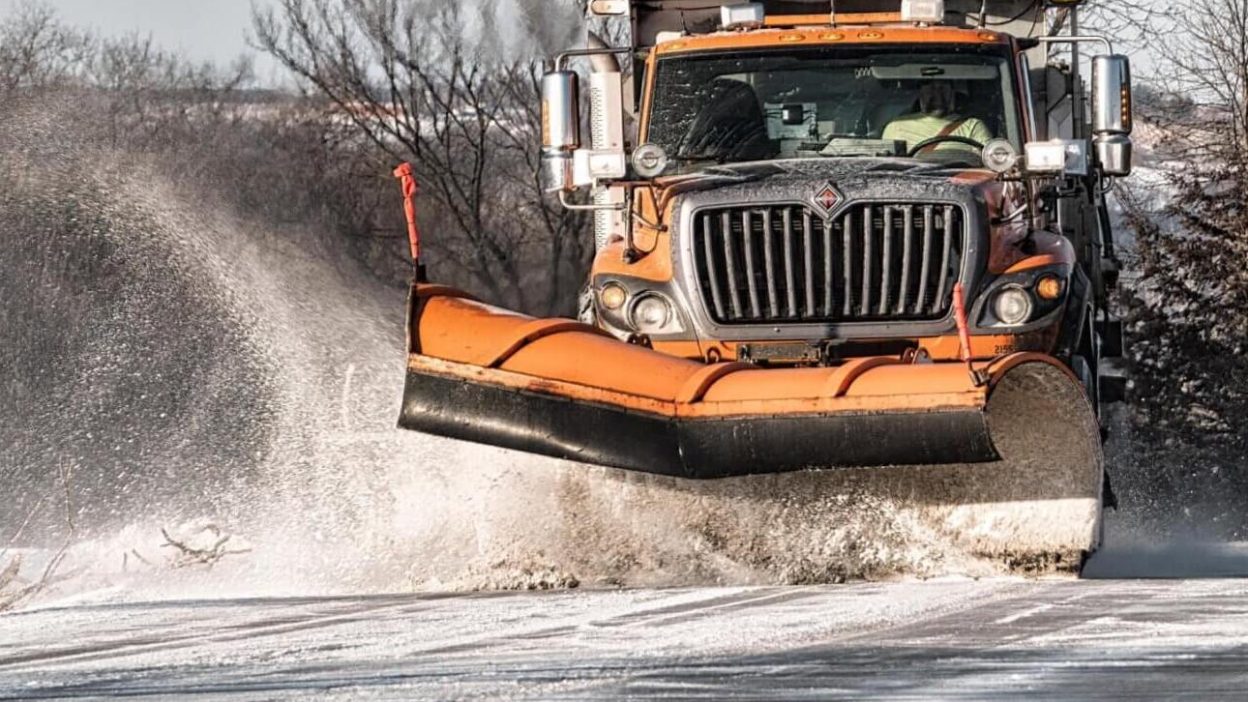
Winter weather can be unpredictable, and when heavy snow arrives, the safety of your home or business becomes a top priority. Understanding the costs and benefits of snow removal services in your area helps you make informed decisions that protect both people and property. Whether you own a single-family home or manage a commercial property, having a clear picture of what professional snow removal entails can save you time, money, and serious headaches throughout the season. From pricing structures to what services actually include, this guide covers everything you need to know before the first major storm rolls in.
Typical Costs for Residential Snow Removal
Homeowners across the country often wonder what a fair price looks like when hiring out snow removal tasks. Residential snow removal pricing varies based on several key factors, including the size of your driveway, the depth of snowfall, your geographic location, and whether you want a one-time visit or a seasonal contract. According to HomeAdvisor, homeowners typically spend between $30 and $100 per visit for standard driveway plowing, while walkway shoveling can add another $25 to $75 depending on length and complexity. Seasonal contracts, which offer set pricing for unlimited visits throughout winter, generally range from $200 to $600 or more for residential properties.
The depth of snow matters significantly when it comes to cost. Many contractors charge a base rate for snowfall up to a certain depth, often around 6 inches, and then apply additional fees for deeper accumulation. De-icing services using salt or other materials are frequently offered as add-ons, typically costing $20 to $50 per application. If your property has intricate landscaping, tight corners, or a long winding driveway, expect pricing at the higher end of the range.
Typical Costs for Commercial Snow Removal
Commercial snow removal pricing operates on a different scale, with larger parking lots, loading docks, and building entrances requiring substantially more equipment and labor. Businesses typically pay between $150 and $500 per visit for small to mid-sized lots, while larger commercial properties can see bills of $1,000 or more per storm event. Many commercial clients opt for seasonal contracts or per-inch pricing models that provide more predictable budgeting throughout the winter months.
The American Property Maintenance Association notes that commercial contracts often include liability provisions, service level agreements, and response time guarantees that go beyond what residential clients typically receive. Property managers and business owners should consider the full scope of services when comparing quotes, as the lowest price does not always translate to the most comprehensive or reliable coverage. A reputable contractor will conduct an on-site assessment before providing a quote, taking into account pavement type, drainage patterns, and the most critical access areas for daily operations.
What Affects Snow Removal Pricing
Several factors directly influence what you will pay for professional snow removal, and understanding them helps you evaluate quotes more accurately. The type of equipment used plays a large role, as properties that require heavy-duty plowing trucks, skid steers, or loaders will command higher rates than those serviced by a solo contractor with a plow attachment. Accessibility also matters, since narrow driveways, gates, steep inclines, or obstacles like landscaping beds increase the time and skill required to complete the job safely.
Your location within the region affects pricing as well, since contractors in densely populated urban areas often charge more due to higher operating costs and demand during peak storm events. The frequency of service is another major variable, because a property that requires clearing after every inch of snowfall will accumulate significantly higher costs over the season than one serviced only after major storms. Finally, add-on services such as ice melt application, snow hauling, roof snow removal, and stair clearing all factor into the final bill.
What Professional Snow Removal Services Include
Professional snow removal goes well beyond simply pushing snow out of the way. A thorough service typically begins with plowing driveways, parking lots, and access roads, followed by hand shoveling or snow blowing of walkways, entry points, and steps. Most contractors also apply de-icing or anti-icing materials to prevent ice from bonding to pavement, which is critical for preventing slips and falls. Post-storm cleanup, including clearing snow from around fire hydrants, ADA-compliant access ramps, and storm drains, is often included in full-service packages.
Reputable companies will also monitor storm forecasts and mobilize crews proactively before or during a storm rather than waiting until after it ends. This proactive approach, sometimes called pre-salting or anti-icing, significantly reduces the amount of time surfaces remain hazardous and cuts down on the total amount of de-icing material needed. Many contractors offer 24/7 availability during active weather events, ensuring that commercial properties remain operational and residential clients can safely access their homes throughout the storm.
How Professionals Prevent Property Damage During Snow Removal
One of the most overlooked benefits of hiring a professional service is the protection it provides for your property. Inexperienced operators or overly aggressive plowing can damage pavement edges, landscaping, curbing, drainage grates, and irrigation systems buried near the surface. Professional contractors use trained operators who understand how to adjust blade height and pressure based on surface type, whether concrete, asphalt, or pavers, to minimize wear and avoid costly damage.
Proper stacking and placement of snow is another area where professionals make a significant difference. Snow pushed against buildings, fences, or vehicles can cause structural damage, water infiltration during melting, or smothering of plants and turf. Experienced crews plan where to place accumulated snow based on drainage patterns and property layout, reducing the risk of ice dams, flooding, and freeze-thaw damage over the course of the season. Many companies also flag landscaping features and irrigation heads before the season begins to guide equipment operators around hidden obstacles.
Tips for Choosing Reliable Snow Removal Services
Selecting a trustworthy contractor requires more than comparing prices. Start by checking for proper licensing and insurance, as snow removal involves significant liability risk, and you want to ensure any property damage or injuries that occur during service are covered. Ask for references from existing clients, particularly those with properties similar to yours in size and complexity, and take the time to follow up on those recommendations before signing a contract.
Review service contracts carefully before committing, paying particular attention to response time guarantees, trigger depths (the minimum amount of snowfall required before service is dispatched), cancellation policies, and what happens when a major storm overwhelms the contractor’s capacity. Transparent communication and clear terms are signs of a professional operation. According to the Snow and Ice Management Association (SIMA), property owners should also verify that contractors carry general liability insurance with adequate coverage limits, typically $1 million or more, to protect against claims arising from slip-and-fall incidents on their property.
The Value of Seasonal Contracts vs. Per-Visit Pricing
Understanding how different pricing structures work helps you determine which model fits your needs and budget. Per-visit pricing offers flexibility and is ideal for property owners in areas with mild or unpredictable winters, since you only pay when service is actually needed. However, during heavy winters, per-visit costs can add up quickly and there is always the risk that your contractor may be overbooked during peak storm events. Seasonal contracts, by contrast, provide a fixed cost regardless of how many times your property needs attention, which offers peace of mind and guaranteed priority service throughout the season.
For commercial properties where consistent access is non-negotiable, seasonal contracts are often the preferred choice. Residential clients in areas that historically receive moderate to heavy snowfall tend to find seasonal agreements more economical as well. When comparing contract options, read the fine print around what triggers a service visit, whether ice-only events are included, and how the contractor handles extraordinary snowfall that exceeds normal seasonal averages.
Keeping Walkways and Entrances Safe Throughout Winter
Walkways, steps, and building entrances are the highest-risk areas for slip-and-fall accidents during winter weather events. According to the National Floor Safety Institute, slips and falls represent a leading cause of emergency room visits each year, with icy walkways being a primary contributing factor during winter months. Professional snow removal services address these areas with a combination of shoveling, snow blowing, and targeted application of ice melt products that are appropriate for the surface material and safe for surrounding vegetation and waterways.
Timing is critical when it comes to walkway safety. Ice can form rapidly when temperatures drop after a rain or when compacted snow begins to melt and refreeze overnight. Contractors who offer early morning service windows and nighttime monitoring provide an important layer of protection for properties that open early or receive late-evening foot traffic. Businesses in particular need to document their snow removal activity to demonstrate due diligence in maintaining safe conditions, and professional contractors can often provide service logs and timestamps that support those records.
Final Thoughts on Snow Removal Services
Investing in professional snow removal services is a decision that pays dividends in safety, convenience, and protection of your property assets. The cost of a professional service is almost always outweighed by the expense, physical risk, and time commitment involved in handling snow removal yourself, especially for larger properties or households without the proper equipment. By understanding how pricing works, what a comprehensive service includes, and how to evaluate contractors before hiring, you can enter every winter season with confidence.
If you are ready to explore options for your property, you can connect with experienced snow removal professionals through this local service listing to find reliable coverage in your area. Taking action before the season begins gives you the best chance of securing competitive rates and priority scheduling when storms arrive.
Frequently Asked Questions
1. How early in the season should I hire a snow removal service?
It is advisable to contract with a snow removal service before the first snowfall of the season, ideally in early fall. Contractors often fill their available service slots quickly, and waiting until a storm is approaching may leave you without reliable options. Signing a seasonal contract in September or October typically gives you access to better pricing and ensures your property is on the schedule before peak demand arrives.
2. What is the difference between plowing and snow hauling?
Plowing refers to pushing accumulated snow to designated areas on your property, such as the edges of a parking lot or the sides of a driveway. Snow hauling, also called snow removal or snow transport, involves physically loading and trucking snow off your property entirely. Hauling is typically necessary when a property runs out of suitable space to store plowed snow or when accumulated piles begin to block sightlines, parking spaces, or drainage areas. Snow hauling is priced separately and is significantly more expensive than standard plowing.
3. Is it worth paying for pre-treatment before a storm?
Pre-treatment, also known as anti-icing, involves applying liquid or granular de-icing products to pavement before a storm begins. This practice prevents ice from bonding to the surface, which makes subsequent plowing and shoveling more effective and reduces the total amount of material needed to keep surfaces clear. For high-traffic areas, commercial entrances, and properties prone to black ice, pre-treatment is generally considered a worthwhile investment that improves safety outcomes and can reduce overall de-icing costs.
4. Will professional snow removal damage my driveway or landscaping?
A reputable contractor uses properly calibrated equipment and trained operators to minimize the risk of damage to pavement edges, curbing, and landscaping features. Before the season begins, many professionals will walk the property with the client to identify and flag potential obstacles such as irrigation heads, landscape lighting, and decorative edging. Asking your contractor about their damage prevention practices and whether they carry liability insurance to cover any accidental damage provides important assurance before service begins.
5. How do I know if a snow removal contractor is properly insured?
Before signing any agreement, ask the contractor to provide a certificate of insurance that documents their current general liability and workers compensation coverage. Review the policy limits carefully, as inadequate coverage could expose you to financial liability if an accident occurs on your property during service. Legitimate contractors will provide this documentation without hesitation, and you may also want to request that your property be listed as an additional insured on their policy for added protection during the contract period.