Most homeowners spend considerable time and money maintaining the visible parts of their homes, yet two of the most important components of the roofline often go unnoticed until serious damage has already occurred. If you have been wondering about the signs soffit and fascia need repair in Dallas, TX, you are not alone. These two structural elements work silently behind the scenes to protect your home from moisture intrusion, pest infiltration, and ventilation failure. Understanding the early warning signs is one of the best investments you can make in the long-term health of your property. For expert guidance on maintaining these components, consulting a qualified soffit and fascia repair specialist is always a smart first step.
Understanding the Role of Soffit and Fascia
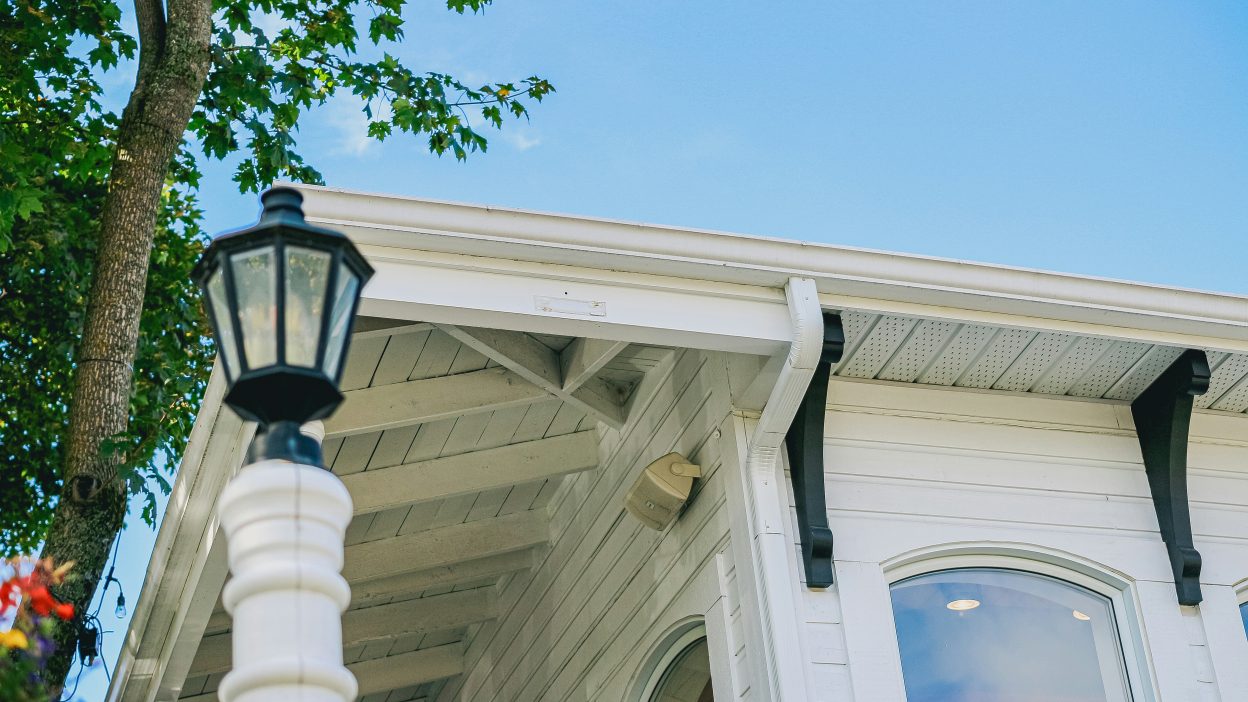
Before recognizing the warning signs, it helps to understand exactly what soffit and fascia do for your home. The fascia is the horizontal board that runs along the edge of your roof, connecting the roof to the outer walls and supporting the lower edge of the bottom row of roof tiles. The soffit is the material that covers the underside of the roof overhang, bridging the gap between the exterior wall siding and the fascia. Together, they form a protective barrier that shields your attic, rafters, and interior walls from weather, pests, and excess moisture. Without these two components functioning properly, even a well-installed roof system can be compromised from the inside out.
These components also play a critical role in the ventilation system of your home. Vented soffits allow fresh outdoor air to flow into the attic space, which helps regulate temperature and moisture levels year-round. When soffit or fascia is damaged, that airflow is disrupted, leading to a cascade of problems that can affect insulation performance, indoor air quality, and even the structural integrity of your roof deck. Knowing how interconnected these systems are makes it clear why early detection and repair are so important.
Common Signs of Soffit and Fascia Damage
Visible Rot and Soft Spots
One of the most telling signs that your soffit and fascia need repair is the presence of soft, spongy, or visibly rotting wood. Wood rot develops when moisture repeatedly saturates the material, breaking down its cellular structure over time. If you press on the fascia board and it gives way or feels mushy, that is a clear indicator that the wood has been compromised and needs to be replaced as soon as possible. Rot spreads quickly from one section to adjacent materials, so what begins as a small area of damage can expand to affect rafters, roof decking, and even interior framing if left unaddressed.
Inspecting the soffit panels beneath your roof overhang is equally important. Discoloration, warping, or bubbling of the soffit material often signals that water has been seeping in from above, likely due to clogged gutters or roof damage. According to the U.S. Department of Housing and Urban Development, water intrusion from deteriorating exterior components is among the leading contributors to structural home damage. Catching rot at the soffit or fascia level is almost always less costly than waiting for the damage to spread to the roof structure.
Peeling or Flaking Paint
Peeling paint on your fascia boards is more than just an aesthetic concern. It is frequently an early symptom of moisture exposure, indicating that water is working its way into or behind the wood from rain, clogged gutters, or poor drainage. When the paint layer begins to fail, the underlying material becomes even more vulnerable to continued moisture absorption and eventual rot. Homeowners sometimes repaint these areas repeatedly without realizing that the underlying problem, moisture infiltration, is still present and actively causing damage.
Peeling or bubbling paint can also be a sign of improper initial installation or inadequate sealing around the fascia joints. When joints are not properly caulked or sealed, water can enter through the gaps and cause the paint film to fail from the inside out. Addressing the moisture source before repainting is essential, otherwise the new coat of paint will fail just as quickly as the previous one.
Pest Activity and Infestation
Damaged soffit panels provide an open invitation for wildlife and insects to enter your home’s attic and roof cavity. Squirrels, birds, raccoons, and wasps are among the most common intruders that take advantage of gaps, cracks, or deteriorated sections of soffit. These animals can cause significant secondary damage once inside, including destroying insulation, gnawing on wiring, and leaving behind moisture-trapping nests. If you notice unusual sounds in your attic, droppings around the roofline, or visible entry holes in the soffit material, a soffit inspection should be conducted right away.
Insects, particularly wood-boring beetles and carpenter ants, are also drawn to rotting or damp wood in fascia boards. These pests accelerate the deterioration process and can silently expand the scope of damage long before it becomes visible from the ground. The National Pest Management Association estimates that termite and wood-destroying insect damage costs U.S. homeowners billions of dollars annually, much of which begins in moisture-damaged exterior wood like fascia.
Cracks, Gaps, and Sagging
Visible cracks in fascia boards or gaps where the soffit meets the fascia are structural warning signs that should not be ignored. These openings can allow water to enter the roof cavity directly, bypassing the protective layers of the roofing system. Sagging soffit panels are often caused by prolonged moisture exposure weakening the support structure, and they can eventually collapse if not repaired. Even small cracks can allow enough water infiltration to cause significant damage over a single rainy season.
Gaps between soffit sections may also develop when the original installation did not allow for adequate expansion and contraction with seasonal temperature changes. In Dallas, where temperatures can swing dramatically between seasons, this kind of movement stress is particularly common. Sealing these gaps promptly and replacing any structurally compromised sections is the most effective way to stop ongoing damage.
How Damaged Soffit and Fascia Affect Roof Ventilation and Moisture Control
Proper attic ventilation depends on a continuous flow of air that enters through the soffit vents and exits through ridge or gable vents at the top of the roof. When soffit panels are blocked, damaged, or covered with paint or debris, this airflow is restricted, causing heat and moisture to build up inside the attic. In summer, this trapped heat can raise attic temperatures to extreme levels, accelerating the degradation of roofing materials and driving up cooling costs. In winter, the same moisture buildup can condense on the underside of the roof deck and lead to mold, mildew, and wood rot from the inside.
The U.S. Department of Energy notes that inadequate attic ventilation is a significant contributor to energy inefficiency and premature roof failure. Homeowners who ignore damaged soffit vents often find themselves facing not just repair bills for the soffit itself, but also for damaged insulation, roof decking replacement, and mold remediation. Ensuring your soffit panels remain clear and structurally sound is one of the simplest ways to protect your home’s entire roofing system.
Moisture control is equally critical for the fascia. Gutters attach directly to the fascia board, and when gutters overflow, become clogged, or are improperly pitched, they deposit standing water directly against the fascia. Over time, this constant moisture exposure will break down even properly painted and sealed wood. Ensuring that gutters are clean, correctly installed, and properly sloped away from the fascia is an important companion practice to maintaining healthy soffit and fascia systems.
Benefits of Professional Soffit and Fascia Repair for Long-Term Home Protection
Hiring a qualified professional for soffit and fascia repair provides several advantages that DIY approaches simply cannot match. Experienced contractors can assess the full extent of damage, including hidden rot or pest activity that is not visible from the ground, and recommend the most durable material and repair strategy for your specific situation. They also have the tools and expertise to ensure new installations are properly sealed, ventilated, and compatible with existing roofing materials. A professional repair that is done correctly the first time will outlast a series of temporary patches by years.
Material selection is another area where professional guidance adds real value. Modern soffit and fascia materials include aluminum, vinyl, and fiber cement, each offering different benefits in terms of durability, maintenance requirements, and cost. Aluminum and vinyl options, in particular, are highly resistant to moisture, insects, and rot, making them excellent long-term investments in the Dallas climate. A knowledgeable contractor will help you weigh the trade-offs between material costs and expected service life so you can make the most informed decision for your home.
Regular professional inspections are also a proactive strategy for avoiding costly emergency repairs. Having your soffit and fascia evaluated at least once a year, ideally before the rainy season, allows minor issues to be identified and addressed before they escalate. This kind of preventive maintenance is far more cost-effective than waiting for visible failure, and it protects the value and structural integrity of your home over the long term.
Final Thoughts: Don’t Overlook What’s Above You
Soffit and fascia are not glamorous home features, but they perform essential protective functions that every homeowner should understand. The signs of damage, including rot, peeling paint, pest activity, cracks, and sagging panels, are often visible if you know what to look for. Catching these issues early and responding with professional repair will save you significantly more money and stress than waiting for the problems to compound. Your home’s roofline, ventilation system, and interior structure all depend on these components functioning correctly.
If you notice any of the warning signs described in this guide, do not delay in seeking a professional assessment. Local soffit and fascia experts serving the Dallas area can evaluate your roofline, diagnose the extent of the damage, and provide durable repair solutions tailored to your home. Investing in timely repairs today is one of the most responsible decisions you can make as a homeowner.
Frequently Asked Questions
1. What is the difference between soffit and fascia?
Soffit refers to the material covering the underside of the roof overhang, the area between the exterior wall and the roof edge. Fascia is the vertical board that runs along the front of the overhang, connecting the roof to the outer wall and providing the attachment point for gutters. Both work together to protect the roof structure from weather and pests, and both require regular inspection and maintenance to remain effective.
2. How often should soffit and fascia be inspected?
Most roofing and home maintenance professionals recommend having your soffit and fascia inspected at least once a year. Annual inspections are ideally conducted in the spring to assess any damage from winter weather, and again in early fall before heavy rains arrive. However, if you notice any visible warning signs such as peeling paint, sagging panels, or pest activity, you should schedule an inspection immediately regardless of the time of year.
3. Can I repair soffit and fascia myself, or should I hire a professional?
Minor cosmetic fixes such as touch-up painting can sometimes be handled by a capable homeowner, but any repair involving structural damage, rot, or replacement of panels should be handled by a professional. Improper repairs can trap moisture, fail to restore proper ventilation, or leave gaps that invite pest entry. A licensed contractor has the expertise to assess the full scope of damage and install materials correctly the first time.
4. How does gutter maintenance relate to soffit and fascia condition?
Gutters attach directly to the fascia board, so clogged or overflowing gutters are among the leading causes of fascia damage. When gutters back up, water spills over the edge and sits against the fascia, causing accelerated wood rot and paint failure. Keeping gutters clean and properly pitched is one of the most important preventive steps you can take to extend the life of your fascia.
5. What materials are best for soffit and fascia replacement in a hot climate like Dallas?
In warmer, humid climates like Dallas, aluminum and vinyl are generally recommended for their resistance to moisture, heat expansion, and insects. Fiber cement is also a durable option that holds paint well and resists rot. While wood remains a popular traditional choice, it requires more frequent painting and sealing to perform well in climates with temperature extremes and periodic heavy rainfall. A local roofing or soffit specialist can help you choose the material best suited to your home’s specific needs and architectural style.